Author: Mary Jane Duford

  • Choosing the Best Planter for Your Monstera Plant

    Choosing the Best Planter for Your Monstera Plant

    For a Monstera to truly flourish, selecting the right planter is essential. It’s not just about aesthetics; the size and type of pot significantly impact the plant’s health and growth. The wrong pot could lead to issues like overwatering or instability.

    Understanding Monstera Plant’s Preferences

    A good pot for a monstera plant should have drainage holes to prevent water buildup and root rot. It needs to be stable and sturdy, especially as the plant grows taller, to avoid tipping. The pot size should be slightly larger than the existing root ball, providing enough space for growth without causing waterlogging. Materials like terracotta allow for breathability, while plastic can help retain moisture if the environment is dry. Durability is key to handling the plant’s weight and frequent movement.

    The pot should also complement your care routine and space. For example, overwaterers might prefer terracotta, while those in dry conditions might choose plastic. A moss pole-compatible pot is helpful for supporting the plant’s climbing habit. A liner or tray is useful for catching excess water, protecting surfaces. Finally, consider a pot that is lightweight or has handles if you’ll move it frequently, while also balancing functionality with aesthetic appeal.
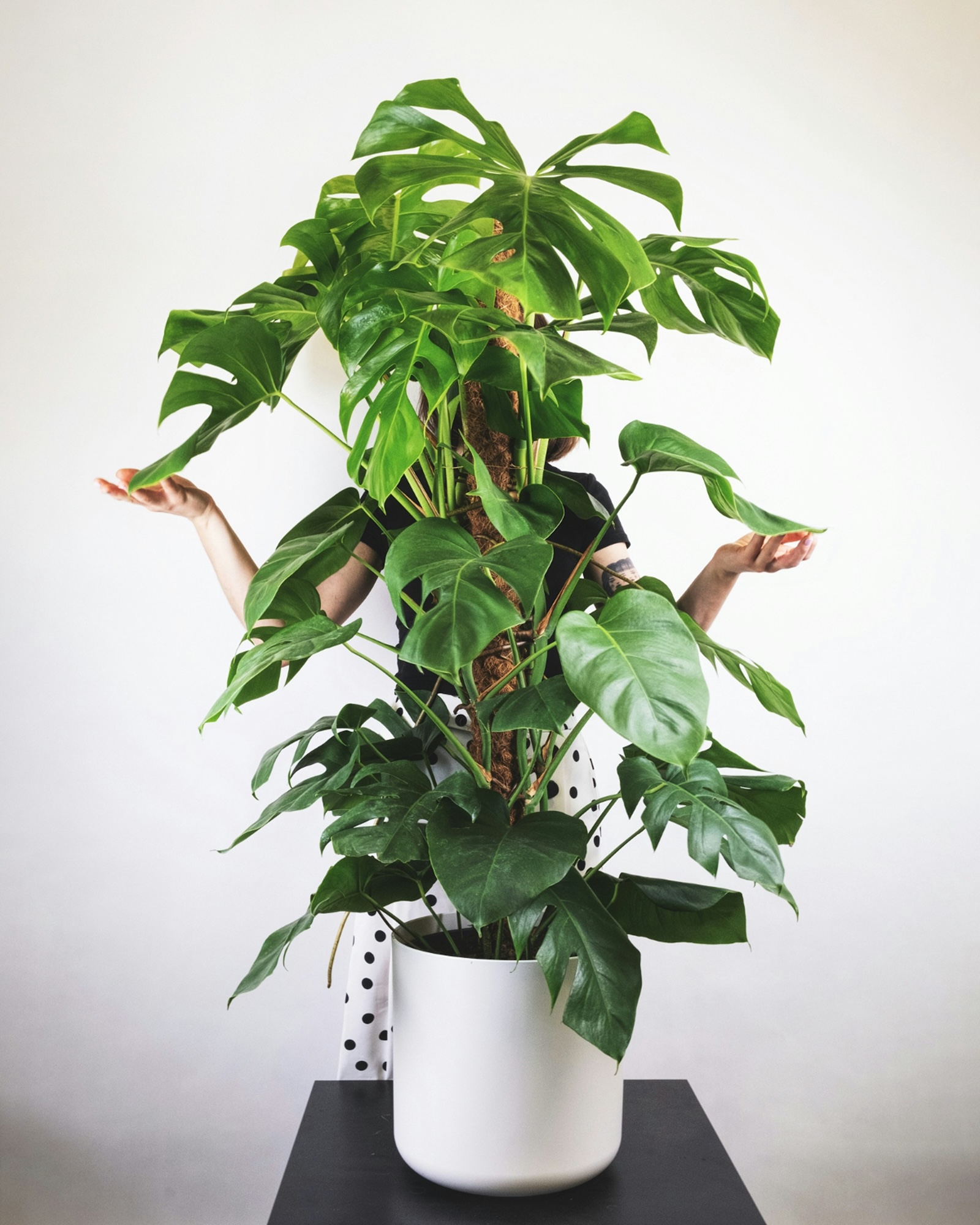
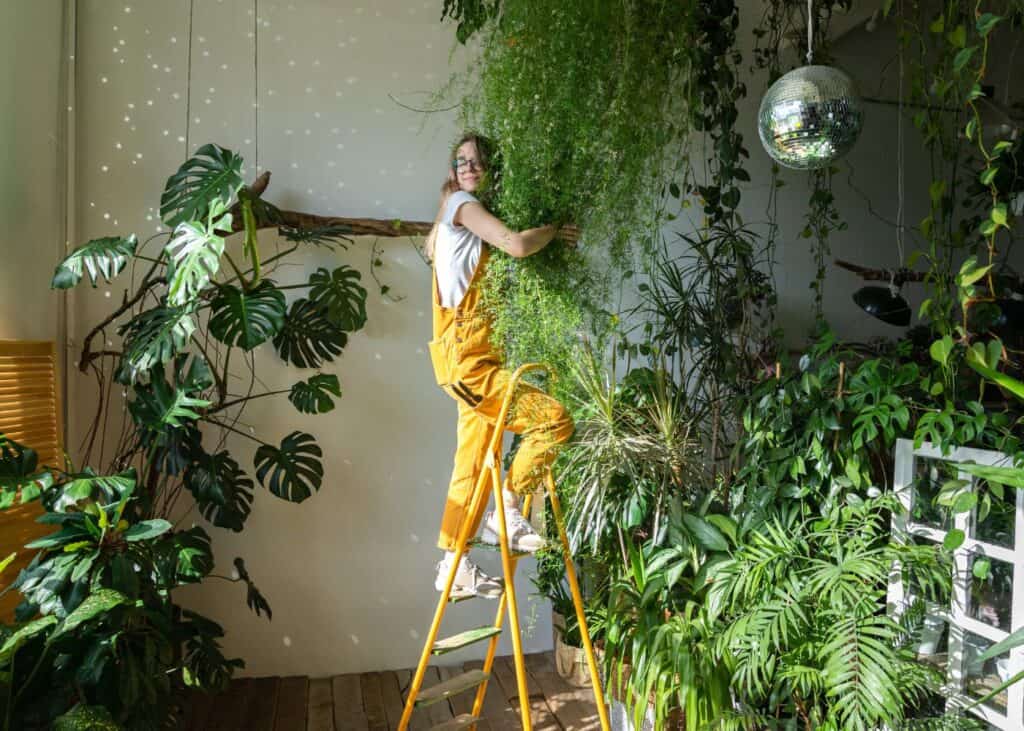
    woman hiding behind tall monstera

    Size & Shape

    Selecting the right size and shape of a planter for a Monstera plant impacts its health significantly. The plant’s root system requires space to grow, so opt for a pot that’s about 2-3 inches larger in diameter than the root ball currently is. This ensures ample room for growth without overwhelming the plant with excess soil that retains moisture (potentially leading to root rot).

    The shape of the planter contributes to its stability and functionality. I find that a planter with a wider base supports the Monstera’s vertical growth, preventing it from toppling over as it becomes top-heavy with foliage. Deeper pots accommodate the plant’s roots and the base of any vertical support more effectively.

    Large Monsteras benefit from a planter with built-in support features. Models with integrated trellises or supports help guide the plant’s natural upward growth pattern, reducing the risk of toppling. When selecting planters, I prioritize those that balance design and practicality to encourage optimal growth conditions for the Monstera.
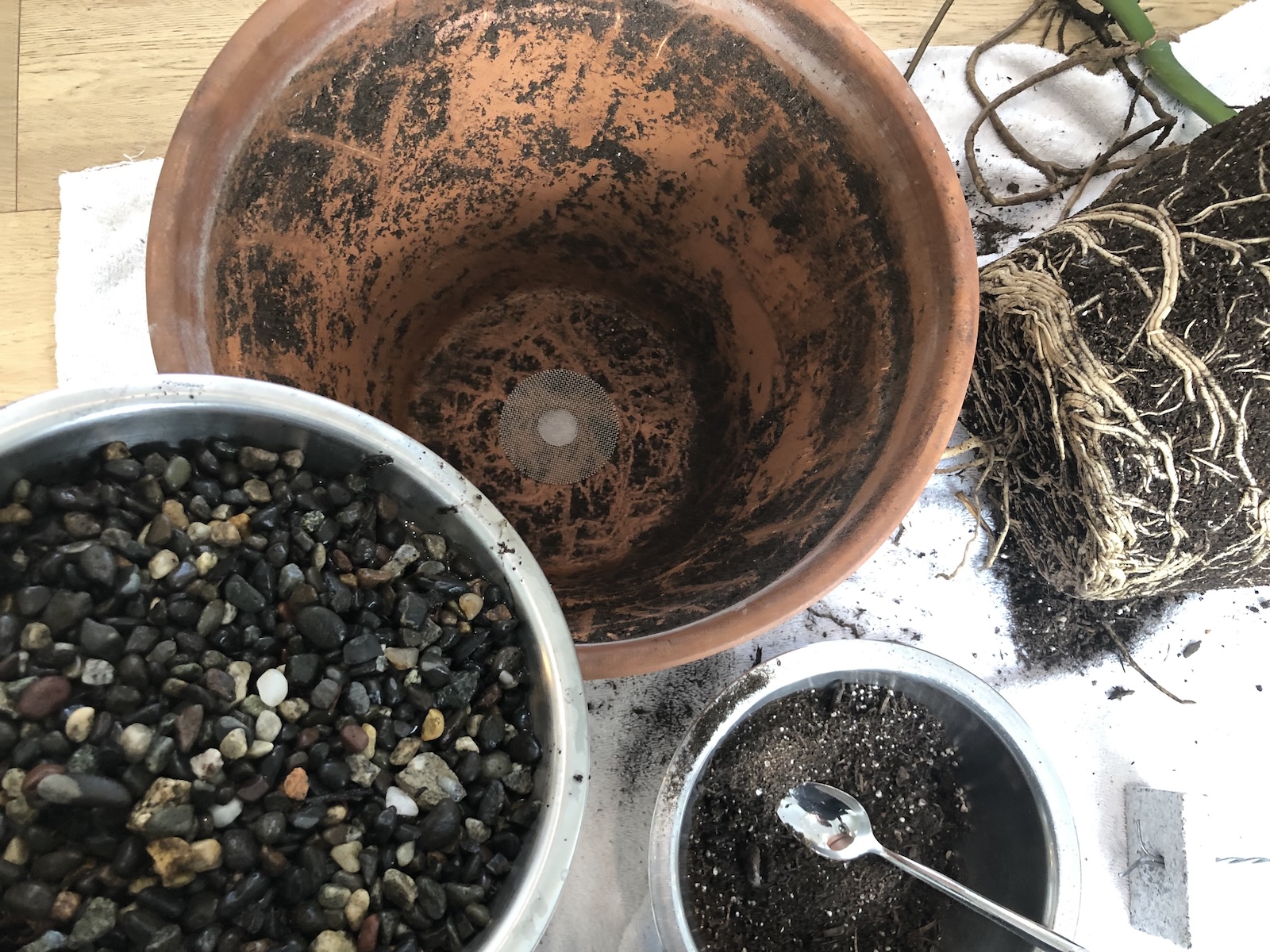
    planter with drainage hole and mesh and gravel

    Drainage

    Proper drainage is essential for a thriving Monstera. A pot without drainage can cause water to accumulate, leading to root rot. Ensuring the pot has drainage holes is crucial.

    Using an Inner Liner Pot Inside a Decor Planter Without Drainage Holes

    Decorative pots often lack drainage holes. This can actually be good if you’re placing the plant on the floor and don’t want water damage on your flooring. To avoid water buildup, I use an inner plastic liner pot within the decorative one. This setup allows me to remove the liner during watering, ensuring excess water drains away.

    Self Watering Pots

    Self-watering pots may seem convenient but aren’t ideal for Monsteras. These pots use a reservoir system that perpetually wicks water into the soil, which can lead to overwatering. I’ve noticed that my Monstera prefers to dry out a little bit between watering sessions. Constant moisture increases the risk of root rot. Though self-watering pots work for some plant types, I opt for alternatives that allow for more control over moisture levels to ensure my Monstera stays healthy.
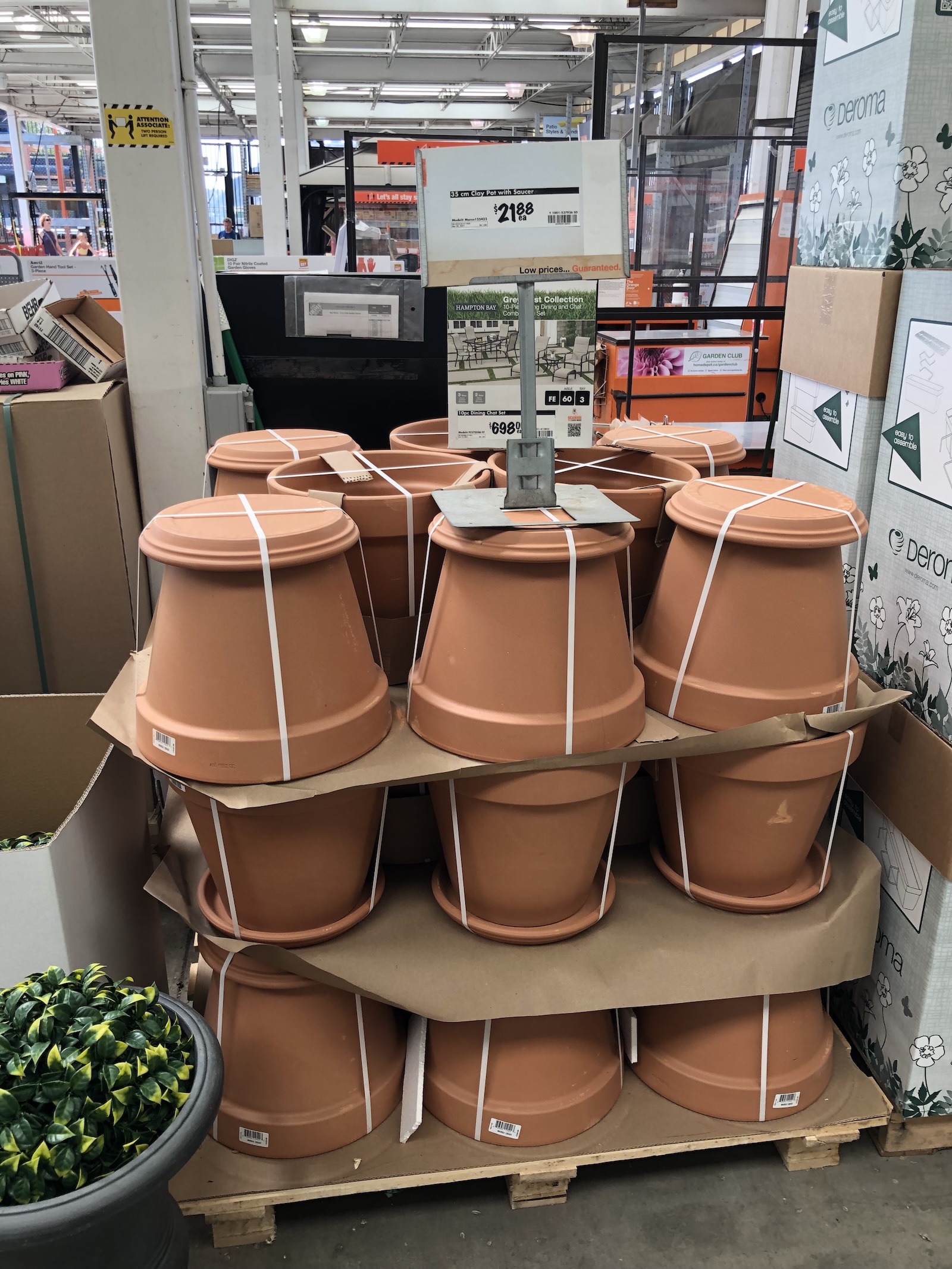
    terra cotta planters at home depot

    Material

    Selecting the right planter material is crucial for the health of a Monstera plant. Each material offers distinct benefits and considerations that can impact the plant’s growth and appearance.

    Terracotta

    Terracotta planters provide excellent breathability beneficial for Monstera plants. The porous nature of terracotta facilitates airflow to the roots and allows moisture to evaporate quickly, reducing the risk of root rot. They’re heavier, offering stability for larger Monsteras. In areas with fluctuating temperatures, terracotta can keep plant roots cool. But, frequent watering might be necessary as terracotta tends to dry out soil faster compared to other materials. I grow most of my Monsteras in terracotta.

    Ceramic

    Ceramic planters are available in a range of designs and glazes, allowing easy integration into home decor. They’re non-porous, retaining moisture well which can be ideal for environments with low humidity. Glazed ceramic is not as breathable as unglazed.

    The weight of ceramic pots gives stability, but it can pose a challenge when repositioning large Monsteras. Ensure ceramics have drainage holes to prevent water buildup. If not properly monitored, water retention from heavily glazed ceramics can negatively affect the plant health.

    Plastic

    Plastic planters offer a lightweight and budget-friendly solution. They’re easy to move and come in various designs. They also make greath thin liner pots in larger decorative planters.

    Moisture retention is higher in plastic, helping in dry climates but requiring careful watering practices to avoid overwatering. But, they may lack breathability, necessitating additional vigilance for water drainage.

    Resin

    Resin planters combine durability with aesthetic appeal. They’re weather-resistant, making them suitable for indoor and outdoor use. Lightweight yet robust, resin pots assist in easy handling and repositioning of larger Monstera plants. They retain moisture well, and their non-porous surface prevents soil from drying rapidly. I no longer use resin for my Monsteras because I found that the bottom rotted out of the planters after a couple of years.

    Metal

    Metal planters bring a modern and sleek look to interiors. Their durability ensures long-term use. But, without proper drainage, metal pots can become waterlogged, risking root health. They can conduct heat, affecting plant roots, especially in direct sunlight.

    Consider using metal as decorative outer pots housing an inner plastic pot with drainage holes. Take the plastic pot over to the sink to water it, and let it drain out well before placing it back in the metal planter. This method balances design and plant care, ensuring proper moisture control.

    Fabric

    Fabric planters offer unique advantages in moisture management and breathability. These pots allow roots to naturally air-prune, preventing tangling and promoting healthy growth. The flexible material often encourages a natural, upright growth structure, supporting the Monstera’s development.

    While they’re less traditional, fabric pots may require more frequent watering due to increased evaporation but offer exceptional drainage and aeration benefits critical for Monstera root health. You’ll likely need to place the fabric grow bag in a drip tray to avoid damaging your flooring.

    attaching vines to moss pole

    Adding a moss pole

    Supporting a Monstera plant’s upward growth involves incorporating a moss pole into its setup. In my experience, a moss pole provides stability, especially useful as the plant matures and its aerial roots seek surfaces to cling onto.

    When choosing a moss pole, assessing its height in relation to the Monstera’s current size is crucial. A pole that extends beyond the plant’s tallest leaves encourages vertical growth, as it offers a structure for them to attach and climb. Typically, I select a pole at least 1-2 feet taller than the plant’s height. Over time, as the Monstera grows, I secure its stems to the pole using soft velcro ties. This method supports the plant without causing damage.

    Another consideration is the moss material itself. Sphagnum moss, for example, retains moisture well, providing a humid microenvironment familiar to the Monstera. There are also coco coir poles available.

    During routine watering, I moisten the pole slightly with an automatic mister, imitating rainfall and encouraging roots to secure themselves to the pole. This approach not only benefits the plant’s physical stability but also its overall health by simulating natural conditions.

    Adding a drip tray

    Adding a drip tray under a Monstera pot protects surfaces by capturing excess water, preventing damage from leakage or overflow. It can also help buffer soil moisture levels. But its essential to avoid leaving standing water in the tray too long, as it might attract pests like mosquitoes.

  • 20 of the easiest plants to keep alive

    20 of the easiest plants to keep alive

    Let’s face it—not everyone has a green thumb. The good news is, there are plenty of houseplants that are nearly impossible to kill, making them perfect for beginners or anyone who struggles to keep plants alive. These resilient plants thrive in low light and moderate temperatures, requiring minimal care and attention.

    1. Snake plant

    Snake plants are perfect for those who want an easy-care option. Miraculously, they tolerate both bright and low light, making them versatile in your space. You can let the soil dry out completely between waterings, which is ideal for people like me who often forget to water.

    Their sword-like leaves, ranging from six inches to eight feet, add striking architecture to any space. They also purify the air, filtering out common toxins like formaldehyde and benzene. They truly are resilient and they don’t mind if you occasionally give them less attention.

    2. Monstera deliciosa

    I adore Monstera deliciosa for its iconic presence and easy care. This plant does well in most indoor environments, making it perfect for beginners. Its large, beautiful leaves can become a striking focal point in any room. All you need is bright indirect light, ideally near an east or west-facing window.

    Monsteras can grow quite large, so I use a moss pole to support mine as it grows. To keep the leaves shiny, I recommend either giving the plant a shower now and then, or using a pair of dusting gloves (on larger plants) to remove dust.

    3. ZZ plant

    The ZZ plant is one of the easiest plants to keep alive. It likes dry conditions and is just fine with low light, making it perfect for those dim corners of your home. Placing it in indirect light helps maintain its glossy, rich leaves.

    Let the soil dry out completely between waterings. This plant does not like its roots to be wet all the time. Tolerating neglect is one of this plant’s key traits. You can go weeks without having to water it, and it still looks vibrant. As a beginner-friendly plant, it’s nearly indestructible and makes a stylish, lush addition to any home.

    4. Cast iron plant

    The cast iron plant stays true to its name. It’s virtually indestructible, making it perfect for those who might not have a green thumb.

    This plant is a-ok with low light, tolerates neglect, and can handle a wide range of temperatures. You’ll want to choose a plant large enough to suit the space it’ll occupy since it grows slowly in low-light conditions.

    When it comes to watering, keep the soil consistently moist during the summer, but it’s essential to avoid waterlogging the soil. In fall and winter, let the soil remain barely moist.

    5. Pothos

    Pothos is one of the easiest plants to keep alive. It thrives in a variety of light conditions, from low light to bright indirect sunlight. I place mine almost anywhere in my home, including dim corners, because it adapts remarkably well.

    When it comes to watering, I let the top inch or two of soil dry out completely between waterings to prevent fungal issues in the soil.

    Using well-draining potting soil is crucial for pothos. The plant prefers room temperature and can tolerate both low and high humidity environments, though it does thrive in high humidity.

    6. Money tree

    A money tree adds both aesthetic and symbolic appeal to any space. It’s perfect for beginners, thriving with minimal care.

    I find that placing it in bright, indirect light keeps it healthy. Direct sunlight can scorch its leaves, so I avoid placing it near windows with harsh sun exposure.

    Wait until the top inch of soil is dry to the touch before watering. Overwatering can lead to root rot, so it’s important to let the soil dry out slightly.

    Humidity is your friend when caring for a Money Tree. It’s tolerant of average indoor humidity, but extra moisture encourages lush growth.

    7. Aloe vera

    Aloe vera’s striking green leaves add a fresh touch indoors. Placing it in a sunny spot or under a plant light ensures its long, triangular leaves thrive.

    When watering, I typically do it every two to three weeks, allowing the soil to dry out almost entirely in between. This plant’s resilience comes from its ability to store water in its thick leaves.

    8. Spider plant

    The spider plant’s charming cascading look makes it a popular choice. It’s incredibly resilient, thriving in medium to bright indirect light and even managing low light settings.

    With arching leaves up to 1-1.5 feet, the plant needs room temperatures to stay comfortable. I water mine once or twice a week making sure the fast-draining potting mix stays slightly moist but never soggy or muddy.

    One of the best things about the spider plant is how easy it is to make more plants from one “mother” plant. To propagate, I simply snip off young plantlets— or spiderettes—once they’ve developed roots. They’re easy to pot in new containers to multiply my collection effortlessly.

    9. Succulents

    I find succulents to be one of the easiest plants to care for. They’re incredibly resilient and are perfect for those of us without a green thumb.

    During the summer, I make sure to water them more frequently, while during winter, once a month suffices. Overwatering, though, is the biggest threat to their survival, so it’s something I avoid.

    Succulents don’t need much fertilizers. Placing them near a bright window usually keeps them happy and healthy.

    10. Cactus

    Keeping a cactus is one of the easiest ways to enjoy a low-maintenance plant. Cacti excel in bright sunlight, making them perfect for sunny windowsills and the patio in the summertime.

    Watering is minimal—once the soil completely dries out, a thorough watering will suffice. Sandy, well-draining soil works best to prevent root rot.

    For variety, there are numerous species to choose from, including popular options like the Golden Barrel and the Saguaro. Even though their rugged appearance, cacti can grow beautiful blooms when cared for properly.

    Cacti can tolerate temperature fluctuations, thriving in dry indoor conditions. They’re resilient against pests and diseases, requiring only occasional checks.

    11. Chinese evergreen

    Chinese evergreens are one of the most durable houseplants you can have. Known for purifying air, their lush, glossy leaves come in varying shades, such as dark green, silver, and red. These plants are perfect for complementing your decor.

    To keep a Chinese evergreen thriving, place it in medium to low light, away from direct sunlight. It’s crucial to maintain temperatures above 60°F. Like many of the plants on this list, these plants do not like the cold.

    Water when the top two inches of soil are dry. Overwatering can lead to root rot. A well-drained potting soil helps keep it healthy.

    Their low-maintenance nature means they can survive poor lighting, dry air, and lack of humidity or water. I wipe the leaves with a damp rag regularly to remove dust. These plants are slow-growing, making them great for tight spaces like bookshelves or tables.

    12. Peace lily

    The peace lily is a standout for its beauty and ease of care. This plant thrives in partial sun and does best with a rich potting mix that contains some composted organic matter.

    I water my peace lily about twice per week. But don’t worry, it will let you know when it needs water! The leaves start drooping dramatically when its dry. Its very much a diva. But they perk right up when you do water them.

    These plants can even handle low lighting, including fluorescent lights, which is ideal for spaces without much natural light. Perhaps not such a diva at all?

    13. Dieffenbachia

    Dieffenbachia, with its striking canelike stems and lush green foliage variegated in white or cream, adds a tropical touch to any indoor space. For optimal growth, Dieffenbachia thrives in medium light conditions and prefers temperatures between 60-80°F.

    It’s important to keep the soil evenly moist for the Dieffenbachia—watering it just enough to avoid dryness. But, ensure the plant’s surroundings are free of drafts and sudden temperature changes, as Dieffenbachia is sensitive to these shifts.

    14. Rubber plant

    The rubber plant, a favorite among indoor gardeners, is known for its large, glossy leaves that add a touch of elegance to any space. Native to Southeast Asia, this plant’s versatility makes it easy to care for. I keep mine in medium to bright indirect light, ensuring it stays vibrant. Drafts can cause the leaves to drop, so I always place it away from windows or doors.

    When it comes to watering, I let the soil surface dry out between waterings to avoid overwatering, a common mistake that leads to root rot. Pruning is a breeze; I trim long stems to encourage it to grow into a bushier form. Although it can grow 6 feet tall, with regular pruning, it’s easy to maintain a manageable size.

    15. Arrowhead vine

    Growing arrowhead vine is a breeze, making it ideal for those new to plant care. It gets its name from its triangular leaves, offering a unique aesthetic. You can find varieties with variegated or bronzy-green and pink-toned leaves. These young plants form a neat mound up to a foot high at the start, but the stems start to vine as they mature. You can train them to grow upright with supports or let them trail charmingly from a hanging basket. T

    Thriving in low to medium light, the Arrowhead Vine prefers temperatures between 60-75°F. You should keep the soil evenly moist but avoid waterlogging. The plant typically reaches 6-12 inches in height and spreads about 6-36 inches wide, making it suitable for various indoor spaces.

    16. English ivy

    English ivy is a versatile and resilient choice for adding greenery to indoor spaces. It tolerates low light conditions, though it thrives best in bright, indirect light. This plant’s trailing growth makes it perfect for hanging baskets or draped over shelves.

    Ivy grows best in temperatures ranging from 55-70°F, keeping the soil evenly moist without overwatering. Checking the top two inches of soil ensures it’s time to water when dry. Even though its beauty, all parts of this plant are toxic to humans and pets, so careful placement is necessary.

    The plant’s ability to climb makes it ideal for decorating trellises or poles. It attaches to surfaces easily with its vining stems, adding vertical interest to your decor. Its leathery leaves can be green or variegated, featuring unique patterns.

    17. Calathea

    Calathea, also known as the prayer plant, charms with its boldly striped leaves and vibrant patterns. Varieties include leaves in rose, white, or yellow with unique spots or blotches. It’s not only visually appealing but also easy to care for, even in low-light conditions. This plant thrives between 65-75°F and appreciates regular misting to maintain humidity, making it perfect for bathrooms or kitchens.

    I place my Calathea in bright, indirect light, as direct sunlight can be too harsh. Watering every two to seven days keeps it healthy, ensuring the soil is consistently moist but not waterlogged. This plant is sensitive to tap water chemicals, so use rainwater if you can to avoid leaf browning.

    Regularly fertilizing Calathea during its growing season helps maintain its lush appearance. It’s important to adjust humidity levels, especially in winter, to prevent crispy leaf edges.

    18. Kalanchoe

    Kalanchoe is a dream for beginners and busy plant owners alike. It thrives in bright indirect light, making it perfect for windowsills or well-lit rooms. I keep mine in a sunny spot where it can soak up enough rays to flourish.

    Allow the soil to dry completely between waterings. This drought-tolerant plant doesn’t need much water, making it low-maintenance. Fertilizing once a month during the growing season helps it stay healthy and vibrant, but don’t worry if you forget.

    Temperature-wise, Kalanchoe is content between 60-85°F and adapts well to average indoor conditions. This robust plant is forgiving and versatile, perfect for those who might not have time for constant care.

    19. Chinese money plant

    The Chinese money plant, or Pilea peperomioides, is a stylish yet low-maintenance choice for indoor greenery. Known for its distinctive round, coin-like leaves, this plant adds unique flair to your space. Thriving in bright, indirect light, it benefits from sitting by a well-lit window but not in direct sunlight, which can scorch its leaves.

    Water your Pilea when the top inch of soil dries out. It’s essential to ensure proper drainage to prevent root rot. Humidity isn’t a significant concern for this plant, making it ideal if your home tends to be on the drier side. Keeping the temperature between 60-75°F suits this plant best as it thrives in moderate conditions.

    20. Mini monstera

    Mini monstera is a delightful choice for those seeking low-maintenance greenery. This vining beauty thrives in partial light, so I usually place mine near a window but out of direct sunlight. It mimics its tropical origins well, adapting easily to indoor environments.

    Well-drained soil works best to keep it happy and healthy. Watering becomes necessary only when the soil feels dry to the touch in the top inch or two, making it somewhat neglect-tolerant.

  • 11+ tall indoor plants

    11+ tall indoor plants

    Looking for some lovely tall indoor plants to decorate your space? Let’s look at some of the best options to make an impact with greenery in your space.

    1. Monstera deliciosa

    The Monstera deliciosa is an iconic tropical houseplant known for its distinctive split leaves and unique growth pattern. It hails from the tropical rainforests of Central and South America, where it’s prized for its ornamental qualities and, in its natural habitat, its fruit.

    The Monstera deliciosa is instantly recognizable by its large, heart-shaped leaves that are characterized by intricate splits and holes. These splits, called fenestrations, develop as the plant matures and contribute to its unique and sought-after appearance. The leaves can grow quite large, often reaching lengths of around 12 to 24 inches (30 to 60 cm), and they have a glossy, dark green color.

    As a houseplant, Monstera Deliciosa can grow in a climbing or trailing manner if provided with a support structure like a moss pole. In its natural habitat, it’s known to climb trees using its aerial roots. However, indoors, it’s common to see it growing in a more compact form, especially if it’s kept in a pot without a support structure. But with the right care (like a moss pole), it can reach heights of 6 to 10 feet (1.8 to 3 meters) or more.

    big indoor plants

    2. Elephant ears

    The elephant ears plant is known for its large, striking foliage that resembles the ears of an elephant. The leaves are typically heart-shaped and can vary in size, ranging from medium to very large, with some varieties boasting leaves that can grow over 2 feet (60 cm) in length. The foliage can display a wide range of colors and patterns, from deep green to shades of purple, black, or variegated patterns.

    These herbaceous perennials grow from underground corms. They can be grown as both outdoor and indoor plants, depending on the climate. When cultivated indoors, their growth is somewhat more controlled compared to outdoor settings, making them suitable for indoor spaces. They can reach heights of around 6 feet indoors, depending on the variety.

    With their impressive foliage and unique appearance, Elephant Ears plants bring a touch of the exotic and tropical to indoor spaces. They can serve as striking focal points or complement other houseplants in a well-designed indoor garden. Proper care and attention to their specific needs will help you enjoy their dramatic and captivating presence indoors.

    large houseplants

    3. Fiddle leaf fig

    The fiddle leaf fig is a highly sought-after indoor plant known for its striking appearance and bold foliage. Its name is derived from the distinctive shape of its leaves, which resemble the contours of a fiddle or violin.

    This plant is native to western Africa, where it thrives in tropical rainforests. As a houseplant, this fig has gained immense popularity for its ability to add a touch of elegance and a sense of the tropics to interior spaces.

    The most defining feature of the fiddle leaf fig is its large, glossy leaves that are leathery to the touch. These leaves can grow to be quite sizable, often reaching over a foot long. The leaves have prominent veining and a deep green color that adds a lush and vibrant element to any room.

    Fiddle leaf figs can grow as single-stemmed trees or as bushier, multi-stemmed plants, depending on how they are cultivated and pruned. In their natural habitat, they can grow quite tall, but as houseplants, they tend to reach heights of around 3 to 6 feet (1 to 2 meters) when properly cared for. Regular pruning can help shape the plant and encourage a fuller growth pattern.

    Overall, fiddle leaf fig is a stunning indoor plant that demands a bit of attention and care, but its dramatic foliage and stylish presence can be incredibly rewarding for those who are willing to provide it with the right conditions.

    4. Snake plant

    The snake plant is a tough and versatile houseplant appreciated for its unique appearance, low maintenance requirements, and air-purifying qualities. Native to arid regions of Africa and parts of Asia, snake plants have adapted to thrive in challenging conditions, making them a popular choice for both novice and experienced plant enthusiasts.

    The snake plant’s most notable feature is its upright, sword-like leaves that grow in a rosette pattern. The leaves are often variegated with shades of green, yellow, or white, creating interesting and decorative patterns. Depending on the variety, the leaves can grow to varying heights and widths, with some cultivars reaching impressive heights.

    Snake plants come in a wide range of sizes, from small tabletop varieties to larger, more towering specimens that work well as tall indoor plants. Some cultivars are known for their height and can reach several feet tall, making them excellent choices for adding vertical interest to indoor spaces. Their growth habit is clumping, which means that new leaves emerge from the center of the plant, gradually filling out the arrangement.

    Here are some examples of taller snake plant cultivars that can add vertical drama to your indoor spaces:

    • ‘Black Gold’: This variety has dark green leaves with golden-yellow edges, creating a striking visual contrast.
    • ‘Twist’: This cultivar showcases twisted leaves that add an interesting textural element to the plant’s appearance.
    • ‘Bantel’s Sensation’: This variety has narrow leaves with white vertical stripes, giving it a distinctive and contemporary look.

    These taller snake plant cultivars can serve as captivating focal points in your indoor decor while requiring minimal care. Their architectural shapes and adaptability make them ideal choices for those seeking low-maintenance yet visually appealing houseplants.

    5. Lemon tree

    An indoor lemon tree is a delightful and aromatic, allowing you to enjoy a lemony fragrance while adding a touch of greenery to your home. While lemon trees are typically grown outdoors in warm climates, with proper care, they can also thrive indoors provided they have ample light.

    Lemon trees feature glossy, evergreen leaves that emit a distinct citrus scent when touched. The leaves are lance-shaped and can range from dark green to a slightly lighter shade.

    Lemon trees can be grown in containers and typically have a compact growth habit compared to their outdoor counterparts. When properly cared for, they can reach heights of around 3 to 5 feet (0.9 to 1.5 meters) indoors. Pruning can help shape the tree and encourage bushier growth.

    Growing an indoor lemon tree can be a rewarding experience, allowing you to enjoy the beauty of its foliage and the delight of homegrown lemons. While it requires attention to its specific care requirements, the result is a charming and fragrant addition to your indoor plant collection.

    6. Rubber plant

    The rubber plant is a classic and popular houseplant known for its large, glossy leaves and adaptability to a wide range of indoor conditions. Native to the tropical regions of Southeast Asia, particularly India and Malaysia, the rubber plant has become a favorite among indoor plant enthusiasts due to its attractive appearance and relatively easy care requirements.

    The rubber plant features thick, leathery leaves that can vary in color and pattern depending on the cultivar. The most common variety has dark green leaves with a shiny surface that can grow to be quite large. The leaves are typically oval or elliptical in shape and have prominent veins running through them.

    In its natural habitat, rubber plant can grow to be a tall tree, but as a houseplant, it’s often kept as a more compact specimen. However, with proper care, it can still reach heights of 3-5 feet, making it a good choice for adding vertical interest to indoor spaces. It’s possible to shape the plant through pruning, which can encourage bushier growth or create a more tree-like form.

    Overall, the rubber plant’s lush and glossy foliage, combined with its adaptability to various indoor conditions, makes it a popular choice for adding a touch of nature and greenery to homes, offices, and other interior spaces.

    7. Dragon tree

    Dragon tree is a striking and popular houseplant appreciated for its architectural shape, vibrant foliage, and relative ease of care. Native to Madagascar, this plant has become a beloved choice for indoor environments due to its unique appearance and adaptability.

    Dragon tree is characterized by its slender, upright stems topped with clusters of lance-shaped leaves. The leaves typically have a deep green color with reddish-purple edges, creating a distinctive and visually appealing contrast. Some varieties may have different color variations, including those with pink or red stripes along the margins.

    The dragon tree’s growth habit is upright and can be likened to the form of a miniature tree or palm. It generally grows as a single-stemmed plant, with leaves radiating from the stem in a rosette-like arrangement. Over time, it can develop multiple stems from the base, creating a fuller appearance.

    8. Bird of paradise plant

    The bird of paradise plant, is a spectacular and iconic tropical houseplant admired for its large, bold foliage and stunning, bird-like flowers. Native to South Africa, the shape of its flowers resemble the plumage of a tropical bird.

    The bird of paradise plant is known for its distinctive leaves and vibrant flowers. The leaves are large, paddle-shaped, and have a glossy, deep green color. The most recognizable feature of the plant is its bird-like flowers, which emerge from boat-shaped bracts and display vivid colors ranging from orange and yellow to blue and white, depending on the variety.

    Bird of paradise plants are naturally slow growers, and they can take several years to reach their full size. They can eventually grow quite tall, with mature plants often reaching heights of 5 to 6 feet (1.5 to 1.8 meters) indoors. Outdoors, in their natural habitat or in tropical regions, they can grow even taller.

    tall indoor plants

    9. Areca palm

    The areca palm is a popular indoor plant cherished for its graceful fronds, tropical appearance, and air-purifying qualities. Native to Madagascar and other regions of Southeast Asia, this palm is celebrated for its ability to infuse interiors with a touch of lush greenery.

    The areca palm is characterized by its feathery and arching fronds that grow in clusters at the top of slender stems. The fronds are pinnately compound, meaning they have a row of leaflets on each side of the central stem, creating a delicate and elegant appearance. The leaflets are typically bright green and narrow, resembling the plumes of a feather.

    In its natural habitat, this palm can grow quite tall, sometimes reaching heights of up to 20 feet (6 meters). However, as a houseplant, it’s commonly kept at more manageable heights of around 6 to 7 feet (1.8 to 2.1 meters) tall. Regular pruning can help control its size and encourage bushier growth.

    10. Olive tree

    While not as popular as indoor palms and citrus, the olive tree can be grown indoors in a large pot for an elegant accent. An indoor olive tree showcases beautiful evergreen foliage with small, elongated leaves that have a silvery-gray underside. While young olive trees might have a bushier growth habit, mature trees can develop a gnarled and twisted trunk, resembling the iconic look of olive trees in Mediterranean landscapes.

    When cultivated indoors, olive trees tend to grow at a slower rate compared to their outdoor counterparts. The height of indoor olive trees can vary depending on factors like the cultivar and age, but they generally range from 3 to 6 feet (0.9 to 1.8 meters) tall. Pruning can help control the shape and size of the tree.

    Indoor olive trees can produce small, inconspicuous white flowers that give way to small green fruit, which can gradually mature into olives. However, it’s important to note that indoor olive trees are less likely to fruit than their outdoor counterparts due to the challenging nature of indoor conditions.

    11. Schefflera

    The Schefflera plant, also commonly called the Umbrella Plant or Dwarf Umbrella Tree, is a versatile and attractive houseplant known for its distinctive leaf arrangement. Its leaves are typically composed of multiple smaller leaflets that radiate from a central point, resembling the ribs of an umbrella. The leaflets are glossy and can vary in size and shape, depending on the specific cultivar.

    Schefflera plants are often grown as indoor specimens and can develop into compact, bushy forms or more upright, tree-like shapes. The growth pattern depends on how the plant is pruned and trained. The plant can grow to varying heights, generally ranging from 3-5 feet tall as mature indoor plants.

    12. Majesty palm

    The majesty palm is a tropical and elegant houseplant known for its graceful fronds that radiate from a central point, creating a palm-like appearance. The fronds are large and feathery, with pinnate leaves that have multiple leaflets along each side of the central stem. The leaflets have a slightly arching form and a rich green color, giving the plant a lush and tropical look.

    Majesty palms are commonly grown as indoor plants and can reach heights of 6 to 8 feet (1.8 to 2.4 meters) or more when cultivated in ideal conditions. They often develop a single stem from which the fronds emerge in a symmetrical arrangement. The older fronds might naturally yellow and decline over time, especially if the plant is transitioning to new growth.

  • 15 herbs to grow indoors

    15 herbs to grow indoors

    Growing herbs indoors is a delightful way to keep your kitchen vibrant and flavorful all year round. As outdoor gardens take a winter nap, a sunny windowsill can become a thriving indoor herb garden. With just a planter, some soil, and a south-facing window, you can cultivate a variety of herbs that not only enhance your cooking but also bring a touch of nature into your home.

    1. Basil

    Basil thrives indoors due to its love for warmth and consistent temperatures. To get started, I either plant basil seeds or purchase a starter plant from a garden center (or do both!)

    Basil needs a spot that receives plenty of sunlight, ideally a south-facing window. Or, even better, put it under a plant light to keep it from getting long, lanky, and “leggy.”

    I ensure the pots have good drainage to prevent waterlogging and place a saucer beneath them to catch excess water. Keeping the soil moist but not waterlogged is key. The soil needs air in it just as much as it needs some moisture!

    Pinching basil regularly encourages bushier growth and prevents it from flowering. By pinching off the tops, I maintain a healthy, robust plant that’s constantly producing new leaves. When harvesting, I cut stems just above the point where two leaves intersect.

    2. Chives

    Chives bring a wonderful onionlike flavor to dishes, making them a must-have in my indoor garden. Like basil, choose between buying an existing starter plant or starting from seeds.

    A south-facing window is perfect since chives thrive with about six hours of direct sunlight daily. I water the chives whenever the topsoil feels dry. Over-watering can harm them.

    3. Parsley

    Growing parsley indoors is simple. This is another one that can be grown from seeds or starter plants. The seeds do take quite a while to germinate, so opt for a starter plant if you’d like to start harvesting soon.

    Choose a deep pot with excellent drainage and fill it with rich, organic potting soil. Parsley flourishes under strong light, so I place it on a sunny windowsill, ensuring it gets around 6 to 8 hours of sunlight daily. Rotating the pot every few days helps all parts of the plant access light evenly.

    Proper watering is crucial. I keep the soil moist but well-drained by watering regularly, avoiding soggy conditions. When harvesting, I gently pinch the stems near the base, being careful not to uproot the entire plant. This method encourages new growth and keeps my parsley thriving.

    Besides being a garnish, parsley is essential in dishes like tabbouleh and chicken stuffing. With fresh parsley at my fingertips, I often find creative culinary uses, such as making parsley butter or a batch of chimichurri sauce.

    4. Peppermint

    Growing peppermint indoors is a fantastic choice for its refreshing flavor and soothing aroma. First, I recommend buying a starter plant from a reputable nursery since peppermint doesn’t grow true from seed. The mature height ranges from 12 to 24 inches, making it suitable for indoor spaces.

    Plant peppermint in its own container to prevent its invasive nature from taking over other plants. Regular pinching of leaves or stems maintains the plant’s shape and encourages new growth.

    Peppermint’s versatility in the kitchen is impressive, enhancing drinks like tea and cocktails and adding a minty twist to desserts. With minimal care requirements, this herb is an ideal choice for bringing a fresh vibe indoors.

    5. Thyme

    Thyme is one of my favorite herbs to grow indoors, thanks to its versatility and easy care. It thrives in full sunlight, so I place it on a sunny windowsill, preferably facing south. It’s important to keep the soil well-drained and allow it to dry between waterings, as thyme is drought-tolerant.

    Since thyme loves dry conditions, I avoid placing it in humid areas like the kitchen; instead, it goes to a drier room with ample sunlight.

    Regular pruning helps promote new growth and keeps the plant lush. I dry thyme by cutting whole stems, tying them into bunches, and hanging them in a dry, airy spot away from direct sun. Fresh or dried, thyme adds delightful flavor to roasts, sauces, and soups.

    6. Oregano

    Oregano is another dry Mediterranean herb that thrives on a south-facing windowsill with at least six hours of sunlight daily. Let the top inch or two of soil dry out before watering again to ensure roots aren’t waterlogged. Pinching back the tips can encourage bushier plants, and harvesting involves trimming leaves as needed, leaving at least one-third of the plant intact.

    Oregano’s culinary versatility can’t be understated. I love using it fresh or dried to enhance pasta sauces, marinades, and grilled meats. It’s equally delightful sprinkled over homemade pizzas. For best results in preserving its flavor and aroma, I recommend drying extra oregano by hanging it upside down in a well-ventilated area.

    7. Rosemary

    Growing rosemary indoors is a fantastic way to add a fragrant touch to your home. I typically start with herb starts or propagate from stem cuttings since rosemary is tricky to grow from seed. For optimal growth, plant it in well-drained soil and place it near a south-facing window to soak up plenty of sunlight.

    Ensure the soil dries out between waterings because rosemary prefers drier conditions. Overwatering can lead to root rot, so keeping the watering schedule in check is crucial.

    Regular pruning encourages new growth and helps maintain the plant’s size. I cut the stems just above a leaf node when I harvest, which also contributes to a bushier appearance.

    Rosemary’s needle-like leaves are perfect for adding a piney flavor to dishes like roasted meats and Mediterranean recipes. With minimal fertilization needs, rosemary is a hardy perennial that offers flavor and aroma year-round if well cared for.

    8. Cilantro

    Growing cilantro indoors is relatively easy. This herb has larger seeds that are easy to plant and germinate quickly in comparison to many of the other herbs on this list. But you can also purchase a starter plant if you like.

    Choose a spot with moderate sunlight, but not intense heat, as cilantro prefers cooler temperatures. Keep the soil consistently moist but not overly wet.

    Frequent harvesting is key. Cut the stems near the base to encourage continuous leaf production. Watch out for bolting, which cilantro is prone to. Maintain cooler indoor temperatures to prolong its leaf production.

    9. Bay laurel

    A mini potted bay laurel tree adds elegance to any indoor garden with its glossy leaves and aromatic scent. I find it thrives best in a container positioned by an east or west-facing window where it can soak up full to partial sun.

    The plant requires well-drained soil and regular watering, but be careful not to overwater. Air circulation is important, so I thin out crowded areas to keep it healthy.

    Bay laurel appreciates a spot where it gets lots of sunlight, especially in winter. Monitoring for diseases, like scale, helps keep it in top condition.

    10. Sage

    Growing sage indoors adds depth both to your cooking and your windowsill garden. It thrives in well-drained soil with a pot that allows air to circulate. A south-facing window ensures it gets the 6 to 8 hours of sunlight it craves. Starting with a nursery plant or stem cuttings is best, as seeds can be tricky.

    Let the top few inches of soil dry out in between waterings. This prevents root rot, keeping your plant healthy. Pruning regularly encourages a bushier plant, and it’s crucial to remove any blooms for continuous leaf production. Harvesting is simple—cut stems just above a pair of leaves.

    11. Dill

    Dill, with its feathery leaves and refreshing flavor, is a fantastic choice for indoor gardening. Choose a dwarf variety developed for container planting.

    Start your dill from seed in a lightweight, well-draining planter. Water regularly to keep the soil evenly moist, allowing it to dry slightly between waterings. Place the pot near a sunny window since dill thrives in bright light.

    Regularly trim the stems to prevent flowering and encourage continuous leaf production. Once it flowers, the plant will focus on seed production, reducing the yield of fresh leaves. The seeds can be collected as they turn brown and are excellent for seasoning dishes.

    12. Chamomile

    Chamomile is a soothing herb well-suited for indoor growth. I start by selecting a pot with good drainage, filling it with sandy potting soil.

    Chamomile thrives in moderate sunlight, so I place it near an east-facing window. It is relatively low maintenance, but regular pruning of leggy stems keeps it bushy and healthy.

    I water the plant lightly, keeping the soil just damp but not soggy. While watering, I avoid wetting the foliage to prevent mildew.

    13. Savory

    Savory introduces a delightful aroma and piquant flavor to indoor gardens, perfect for enhancing various dishes. I recommend starting with a nursery plant or seedling in well-drained soil.

    Savory prefers full sunlight, so a south-facing window is ideal. Keep the soil slightly moist, but ensure it dries out a bit between waterings to avoid root rot.

    The herb has both summer and winter varieties, with summer savory offering a milder taste and winter savory providing a stronger, spicier profile. Use savory to season soups, stews, and marinades, adding a savory note to your culinary creations. Dry excess savory by hanging it upside down in a cool, dark place, preserving its flavor for later use.

    14. Lavender

    Lavender offers a fragrant aroma and delicate purple blossoms, perfect for indoor gardens. Choose a compact cultivar bred to be grown in a container to fit your space well. It thrives with good drainage, so I use a pot with drainage holes and slightly sandy soil.

    Place lavender in a sunny spot, like a south or west-facing window, where it can get at least 6 hours of sunlight daily. Overwatering is its enemy, so I let the soil dry out between waterings to avoid root rot. Pruning encourages bushy growth and flower production—snip above leaf nodes to maintain its shape.

    Besides its beauty, lavender offers relaxation benefits; I often take cuttings to use in potpourri. English lavender cultivars can be used to brew a calming lavender-infused tea. It’s a versatile and rewarding addition to any indoor herb garden.

    15. Catnip

    Growing catnip indoors is a fun and rewarding way to treat your feline while adding a touch of greenery to your home.

    Catnip plant thrives in bright, indirect light, so place it near a sunny window or under grow lights. Use a well-draining potting mix, such as one made for herbs, and water the plant when the top inch of soil feels dry.

    Regular pruning encourages bushy growth and provides fresh leaves to entertain your cat. Keep the plant in a safe spot where your cat can’t overindulge, and consider growing multiple pots to ensure a steady supply of this irresistible treat.

  • 12 indoor plants with large leaves

    12 indoor plants with large leaves

    There’s something undeniably captivating about indoor plants with large leaves. They not only transform any room into a lush, green oasis but also serve as stunning focal points that draw the eye. Whether you’re looking to create a serene corner in your home or add a bold statement piece, these majestic plants offer an affordable and stylish solution.

    1. Elephant ears plant

    The elephant ears plant isn’t just an outdoor marvel; it’s an exceptional indoor statement piece too. These plants are known for their sizable, arrowhead-shaped leaves that can grow up to three feet long, offering a dramatic touch to any space. While they’re easy to grow, there are key care tips to ensure they thrive indoors.

    First, provide them with bright, indirect sunlight. Direct sunlight isn’t suitable as it can scorch their massive leaves. Keeping them in a well-lit spot enhances their growth without damaging them.

    Next, ensure the soil is well-draining. Elephant ears like loamy, peaty potting mixes that retain moisture without becoming waterlogged. Regular weekly watering is crucial, yet the soil shouldn’t be soggy. I like to let the top inch of the soil dry out between waterings to prevent root rot.

    2. Monstera deliciosa

    Monstera deliciosa, often called the Swiss cheese plant, is known for its iconic fenestrated leaves that add an exotic flair. These stunning leaves can grow up to three to four feet long in their natural environment, making them a must-have for anyone looking to create a tropical vibe at home. This vining plant can reach heights of six to eight feet indoors, requiring lots of room to stretch its lush foliage once mature.

    Monstera thrives in bright, indirect light but adapts well to medium light conditions. It’s crucial that this plant gets the right amount of illumination, as low light can hinder the development of its characteristic splits. I water my Monstera once the top inch of soil dries out, ensuring the soil remains well-draining to prevent root rot. A rich potting mix works wonders for sustaining its growth.

    Its low-maintenance nature makes it appealing for busy plant enthusiasts like me. Pruning helps keep my Monstera looking its best, especially when I train it to climb up a moss pole.

    3. Bird of paradise plant

    The bird of paradise plant, with its majestic leaves and tropical vibe, is a must-have for any indoor plant enthusiast. Its large, glossy leaves resemble a banana plant and can grow up to 18 inches long and 6 inches wide. These striking leaves emerge from long stems, giving the plant a dramatic presence in any room.

    I find this plant thrives in bright, direct sunlight, ideally placed near a window. It rarely blooms when grown only indoors due to insufficient sunlight, so many owners take it outside in the warmer months to get some bright (but not direct) sunlight.

    Ensuring the soil is well-drained is crucial, as the plant enjoys moist but not soggy conditions. I water mine about once a week, letting the top couple of inches of soil dry out between waterings.

    4. Fiddle leaf fig

    The fiddle leaf fig is a standout indoor plant, adored for its large, fiddle-shaped, waxy leaves. This broadleaf evergreen can reach up to ten feet tall indoors, creating a dramatic statement in any room. But, it’s known for being quite temperamental and demands a bit of attention to truly thrive.

    First, ensure it gets bright, indirect light. Too much direct sunlight can scorch its leaves, while inadequate light causes them to drop. The location should steer clear of vents or air conditioning units to avoid temperature shifts.

    Next, maintain moderate moisture in the soil. I water mine only when the top inch of soil feels dry to avoid overwatering and root rot. A rich, well-draining potting mix is crucial to keep it happy and healthy. Remember, consistent moisture is key—avoid letting the soil dry out completely.

    5. Philodendron ‘Xanadu’

    Philodendron ‘Xanadu’ is a standout indoor plant with its large, leathery, lobed leaves that can transform any room into a green haven. Each leaf can grow up to 16 inches long and 12 inches wide, making a bold statement with its unique texture and shape. As the plant matures, the number of lobes on each leaf increases, adding to its visual interest and complexity.

    Having this plant in my home always catches attention. It’s perfect for those wanting to add a touch of the tropics without worrying about excessive size. Unlike many philodendrons, ‘Xanadu’ is more squat, typically growing wider than it is tall, reaching up to 6 feet in width and around 2-4 feet in height. This makes it an ideal choice for any interior space where floor area is more available than vertical space.

    Caring for the Philodendron ‘Xanadu’ is relatively straightforward if you follow a few essential steps. First, it thrives best in bright, indirect light but can adapt to medium light conditions. Providing consistent lighting helps maintain its leaf vibrancy and lushness. Make sure the soil is well-draining and maintain even moisture.

    Humidity is another crucial factor for this plant’s health. I aim for levels of 60%, but keeping it above 40% might be more realistic in dry climates. Use a humidifier to maintain the required moisture.

    6. Areca palm

    Areca palm is another fantastic choice in the area of large-leafed indoor plants, prized for its feathery, frond-like leaves. Its lush, arching leaves create a soft ambiance, making it a favorite for adding a tropical touch to interiors. These palms can grow up to six to seven feet tall indoors, making them perfect for filling empty corners or creating natural dividers.

    Keeping an areca palm thriving indoors requires attention to light and water needs. It prefers bright, indirect light, though it can tolerate lower light levels. But, insufficient light will slow its growth and affect leaf color. I recommend placing it near a window filtered by a sheer curtain to mimic its natural environment.

    Watering should be done carefully, ensuring the soil stays moderately moist without becoming soggy. I water when the top one to two inches of soil feel dry to the touch. Overwatering can lead to root rot, so I make sure my pot has good drainage. Using a potting mix specifically designed for palms or mixing perlite into standard soil helps maintain the necessary aeration.

    Humidity plays a significant role in the well-being of the Areca Palm. It thrives in higher humidity levels, so I employ a humidifier during drier months.

    7. Peace lily

    The peace lily is a stunning choice for those who love indoor plants with large, elegant leaves. These beauties can reach impressive heights, sometimes growing up to four feet tall under optimal indoor conditions.

    They thrive in bright, indirect light but are quite adaptable, tolerating medium and even low light settings. But, if you want your Peace Lily to really flourish, bright light is your best bet.

    Watering is key to keeping your Peace Lily healthy. These plants like consistently moist soil, so I water mine when the top inch feels dry. It’s important not to let them dry out completely, but overwatering should also be avoided to prevent root rot.

    8. Rubber tree

    A rubber tree is a striking large-leafed indoor plant with glossy, waxy leaves that can become a focal point in any room. I love how its lush appearance and adaptability make it perfect for modern interiors. Indoors, it typically grows about 6 feet tall indoors, making it a manageable yet impactful choice. The key to thriving is placing it in bright, direct light, which helps develop its leaves’ rich color and size.

    Watering is crucial for rubber tree care. I keep the soil consistently moist during the growing season, ensuring it doesn’t dry out completely. But, during winter, I let the top layer of soil dry out between waterings. Using a well-draining potting soil prevents root rot, maintaining healthy growth. Regularly wiping the leaves with a damp cloth keeps them dust-free and maximizes their shine.

    9. Kentia palm

    Kentia palm stands out as an elegant choice among indoor plants with large leaves. This perennial palm reaches up to 12 feet tall, showcasing beautiful arching fronds in a rich, deep green. I’ve noticed they’re perfect for adding a touch of old-world charm to any sunny corner.

    Maintaining even and consistent moisture is essential for Kentia palms. While they’re drought-tolerant once mature, young ones need regular watering. They thrive in bright indirect light but should be kept away from direct sun to prevent leaf burn. I’ve found them adaptable to various environments, as they tolerate a wide range of light conditions.

    10. Ficus ‘Audrey’

    Ficus ‘Audrey’ is a striking choice for those seeking large-leafed indoor plants with an elegant touch. This plant is well-suited for bright, indirect sunlight and can even handle some direct light, making it versatile for different spaces. I water my Ficus ‘Audrey’ once a week, ensuring the soil remains lightly moist without becoming waterlogged.

    Using well-draining houseplant soil is essential to avoid root rot, so I always choose a quality potting mix. While Ficus ‘Audrey’ isn’t pet-friendly, its lush foliage can add an air of sophistication to any room. To keep the plant healthy and vibrant, it’s best to clean the leaves regularly to remove dust, enhancing its ability to photosynthesize.

    11. Schefflera

    Schefflera, also known as the umbrella plant, is a popular indoor plant choice for those who appreciate large, glossy leaves. This plant features bright green, hand-shaped leaves that radiate from a central point, resembling an umbrella. It’s a tropical beauty that can reach heights of six to eight feet indoors, adding a touch of elegance and vitality to any room.

    To thrive, Schefflera needs bright, indirect light, making it ideal for rooms with plenty of natural sunlight. If the light is too low, you might notice its leaves dropping, so positioning it near a window is preferable.

    When it comes to watering, Schefflera requires consistency. Water it regularly, allowing the top inch of soil to dry out before the next watering to avoid root rot. Well-draining soil is essential to prevent sogginess, as these plants don’t like to sit in water.

    Maintaining humidity is beneficial for Schefflera, as it simulates its natural tropical environment. Misting or using a humidifier can help during dry seasons, ensuring the leaves retain their lush appearance. Pruning can also keep the plant in shape, promoting bushier growth and removing any damaged leaves.

    12. Majesty palm

    The majesty palm is a stunning addition to any indoor space, offering a touch of the tropics with its graceful fronds. This popular palm type can grow up to 10 feet tall, making it a standout indoor plant with large leaves. Characterized by their delicate green fronds that arch beautifully, majesty palms create a calming presence and can remind you of serene tropical escapes.

    The majesty palm thrives in bright, indirect light but must be kept out of direct sunlight to prevent foliage damage. Placing it near an east or north-facing window can provide adequate lighting without harsh rays.

    Keeping the soil evenly moist is key without letting it become waterlogged. I find watering two to three times a month generally works well, though this might vary based on your indoor environment. Consistent moisture helps this palm maintain its lush appearance.

    Majesty palms prefer temperatures between 65 and 85 degrees Fahrenheit and enjoy a humid environment. In dry climates, a humidier will be must in the colder months.

  • The best potting soil for indoor plants

    The best potting soil for indoor plants

    Choosing the right potting soil is vital for an indoor plant as it directly impacts its well-being. The soil provides essential nutrients, anchors the roots, and retains the right amount of moisture. Additionally, the potting mix should have good drainage to prevent waterlogged roots, which can lead to root rot and other plant health issues. By understanding the specific needs of your indoor plants and selecting the appropriate potting soil, you can create an environment that promotes healthy growth and flourishing foliage.

    Types of indoor plants and their favorite soils

    Indoor plants each have their own needs when it comes to soil. The right mix provides the drainage, moisture, and nutrients they need to thrive. Here’s a breakdown of the main types of houseplants and what kind of soil mix works best for each.

    Tropical foliage plants

    Tropical plants like monstera, philodendron, and peace lilies need a rich, well-draining mix that mimics the airy rainforest floors of their natural habitat. A mix of peat moss or coco coir, some perlite or pumice, maybe some orchid bark, and a moderate amount of compost or worm castings ensures moisture retention, aeration, and nutrients without waterlogging their roots.

    Succulents and cacti

    Succulents and cacti thrive in a gritty, fast-draining mix that mimics their arid sandy desert homes. A blend of sand, perlite or pumice, small gravel or coarse grit, and minimal organic material like coco coir prevents soggy roots and promotes healthy growth.

    Orchids

    Orchids like phalaenopsis and dendrobium prefer an airy, bark-based mix instead of traditional soil. A combination of bagged orchid bark, sphagnum moss, charcoal, and perlite provides the drainage and aeration their epiphytic roots need to stay healthy.

    Ferns

    Ferns such as Boston ferns and maidenhair ferns love consistently moist, fine-textured soil. A slightly acidic mix of peat moss or coco coir, compost or worm castings, perlite, and a touch of sand creates the ideal environment for their delicate roots.

    Flowering houseplants

    Flowering plants like African violets and anthuriums need a balanced mix to support blooming. Peat moss or coco coir for moisture retention, perlite for drainage, compost or fertilizer for nutrients, and perlight for air distribution create a mix that encourages vibrant flowers.

    Herbs and edible plants

    Indoor herbs like basil and parsley thrive in a nutrient-rich, well-draining mix. A blend of compost or worm castings, coco coir or peat moss, perlite or sand, and a bit of organic fertilizer ensures they stay healthy and productive.

    Aquatic or semi-aquatic plants

    Plants like peace lilies need a rich, loamy, but still well-draining mix to mimic their semi-aquatic nature. A soil mix containing ample compost provides both the nutrients and rich soil environment to give the right balance for plants adapted to wet environments.

  • 10 safe indoor plants for cats to create a pet-friendly haven

    10 safe indoor plants for cats to create a pet-friendly haven

    For households with furry friends, it’s crucial to choose safe indoor plants for cats, as many popular houseplants are toxic if ingested. But fortunately there are cat-friendly house plants, allowing you to create a lush and pet-friendly environment where both you and your feline companion can thrive.

    Prayer plant (Maranta leuconeura)

    1. Prayer plant (Maranta leuconeura)

    Prayer plant (Maranta leuconeura) is a pet-friendly indoor plant popular among cat owners due to its vibrant foliage and interesting leaf movements. Its leaves fold upward at night, giving the plant a unique appearance. This tropical beauty thrives in bright indirect light and requires consistently moist soil to flourish. With its non-toxic nature, the prayer plant is an excellent addition to any cat-friendly home.

    Spider plant

    2. Spider plant (Chlorophytum comosum)

    Known for its arching leaves with white stripes, the spider plant is a resilient and pet-friendly option. This plant can tolerate a range of light conditions, from bright indirect lighting to partial shade. Spider plants prefer evenly moist soil and can even help purify the air in your home. Consider hanging a spider plant in a hanging basket to create an eye-catching display while keeping it out of your cat’s reach.

    Cast Iron plant

    3. Cast iron plant (Aspidistra elatior)

    If you’re searching for a low-maintenance plant that can withstand neglect, the cast iron plant is an ideal choice. With its deep green, leathery leaves, this plant can tolerate low light conditions and does not require frequent watering. The cast iron plant is non-toxic to cats, making it a safe option to consider for any corner of your home that needs a touch of green.

    Nerve plant

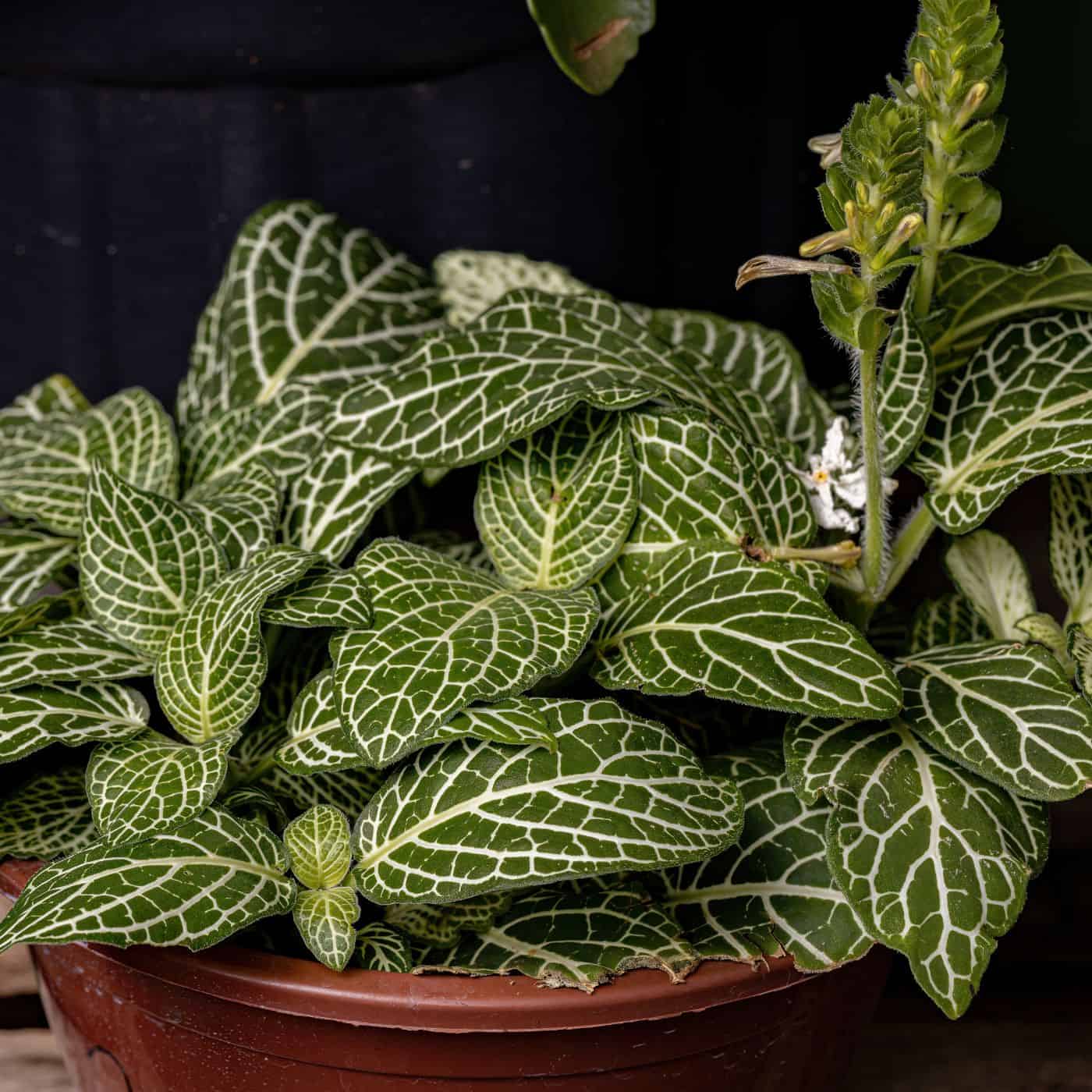
    4. Nerve plant (Fittonia spp.)

    The nerve plant is renowned for its strikingly patterned leaves, featuring intricate veins that resemble nerves. This small and compact plant thrives in humid environments and prefers bright or indirect sunlight. To keep your this plant happy, mist its leaves regularly or place it on a pebble tray filled with water to increase humidity levels. With its non-toxic nature, it can be enjoyed by both cats and humans alike.

    Birds nest fern

    5. Bird’s nest fern (Asplenium nidus)

    The bird’s nest fern is a captivating plant with glossy, arching fronds that resemble the shape of a bird’s nest. It thrives in bright indirect light but can tolerate lower light conditions as well. This pet-friendly fern enjoys a humid environment, so misting the leaves or placing it in a bathroom can help recreate its preferred growing conditions. With its safe and elegant presence, the bird’s nest fern is an excellent addition to any cat-friendly home.

    Friendship plant

    6. Friendship plant (Pilea involucrata)

    The friendship plant is a species of Pilea that is not only unique-looking, but very easy to propagate. That’s how it gets its name! You can easily root sections of the plant for all of your friends, and they can then give it away to their friends. Luckily, this plant is also cat-safe, and is a great choice for pet parents.

    Haworthia

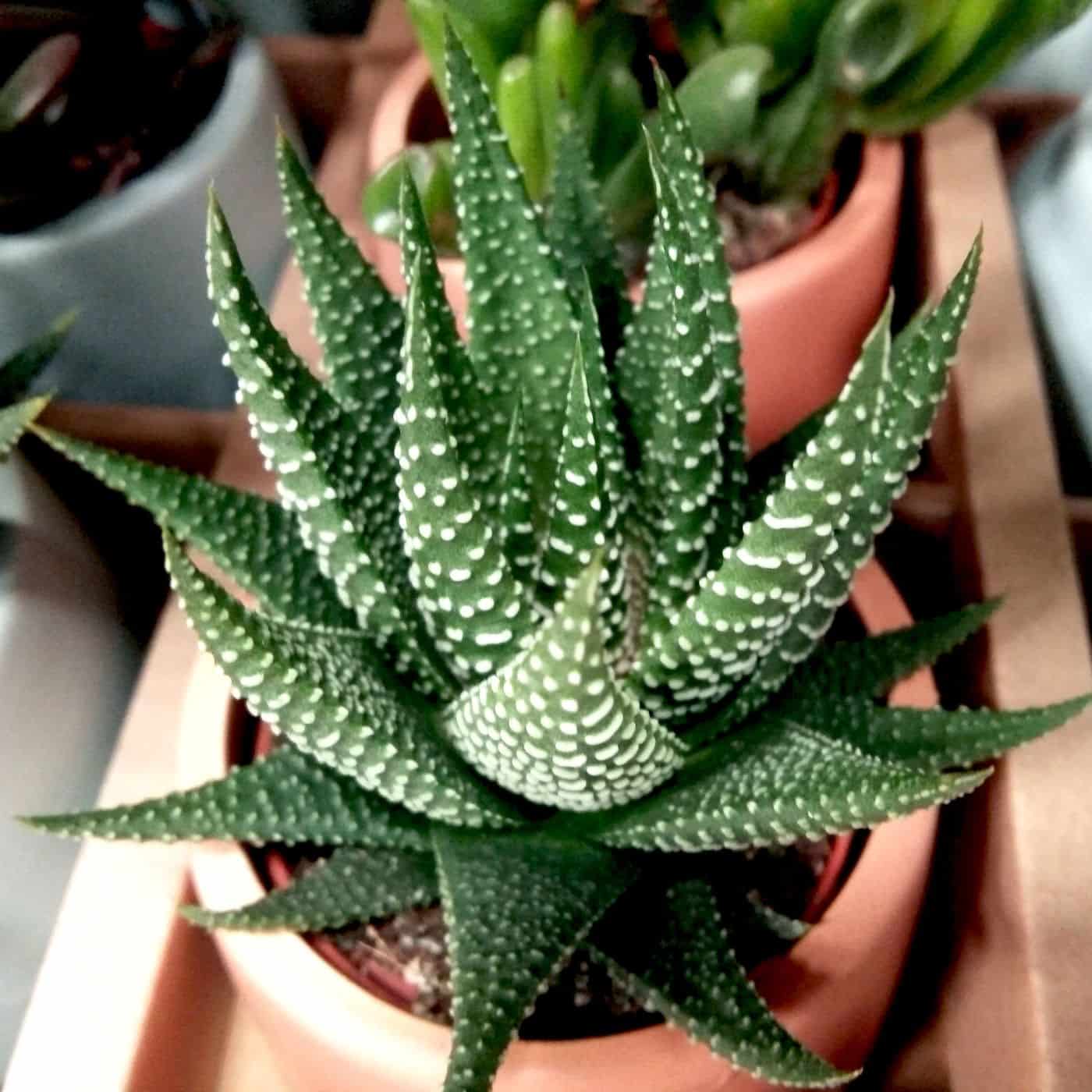
    7. Zebra plant

    With its distinctive zebra-like patterns on the leaves, the zebra plant is an eye-catching addition to any indoor space. This cat-safe plant thrives in bright indirect light and requires consistently moist soil. Keep in mind that the zebra plant appreciates high humidity levels, so misting its leaves or placing them near a humidifier can help promote optimal growth and leaf health.

    Rattlesnake plant

    8. Rattlesnake plant (Calathea lancifolia)

    The rattlesnake plant features long, lance-shaped leaves with intricate patterns of green and purple. This cat-friendly plant thrives in bright indirect light and requires consistently moist soil. With its tropical flair and non-toxic nature, the rattlesnake plant can bring a touch of drama and vibrancy to any room, creating an inviting environment for both you and your feline companion.

    Purple waffle plant

    9. Purple waffle plant (Hemigraphis alternata)

    If you’re seeking a colorful and unique addition to your indoor garden, consider the purple waffle plant. Its small, puckered leaves boast a vibrant purple hue, adding a splash of color to any space. This cat-safe plant prefers bright indirect light and consistently moist soil. The purple waffle plant is an excellent choice for terrariums or as a trailing plant in a hanging pot, allowing its distinctive foliage to cascade gracefully.

    Ponytail palm

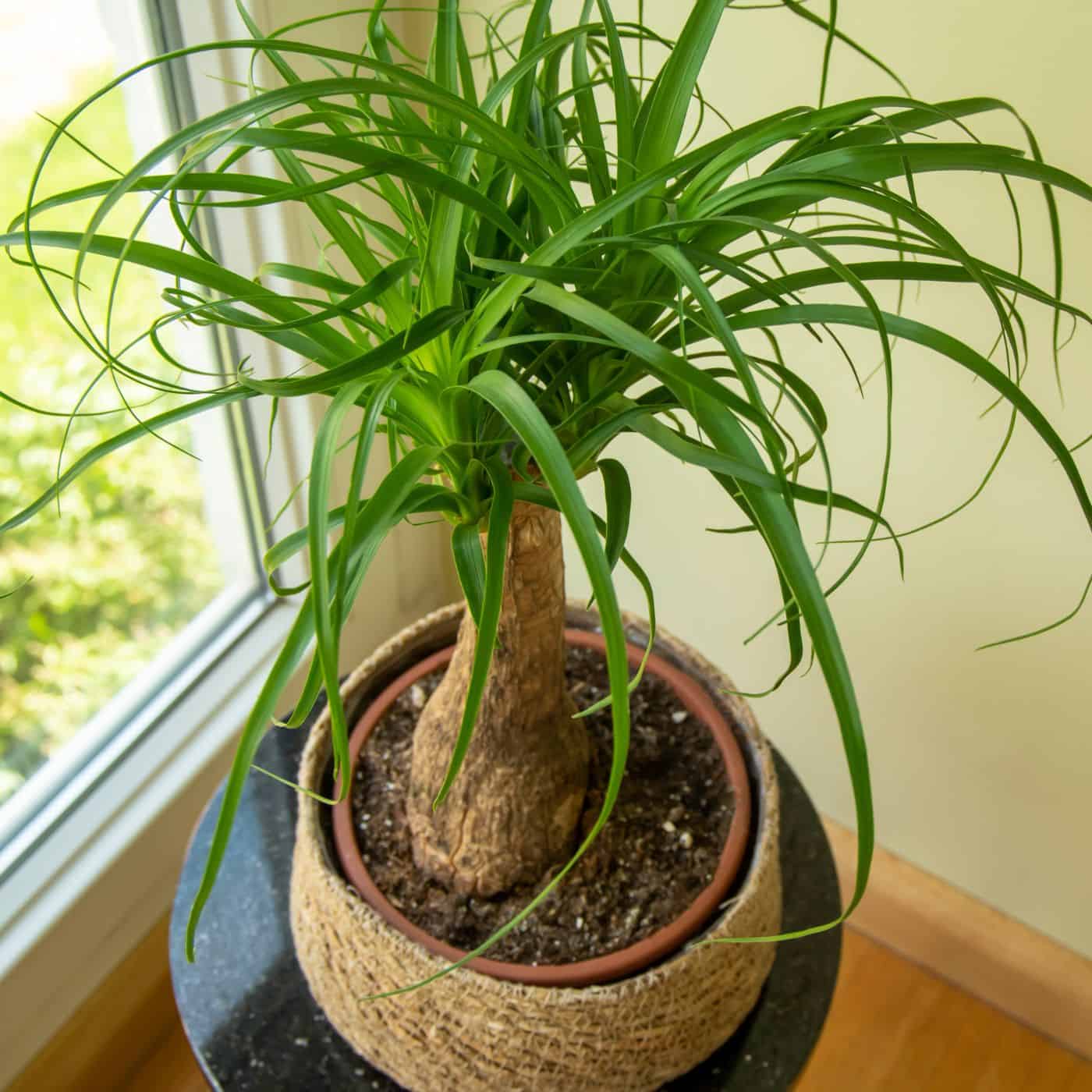
    10. Ponytail palm (Beaucarnea recurvata)

    Despite its name, the ponytail palm is not a true palm but rather a succulent-like plant with long, arching leaves that resemble a ponytail. This low-maintenance plant thrives in bright indirect sunlight but can tolerate lower light conditions as well. The ponytail palm is an excellent choice for cat owners, as it is non-toxic to pets. With its unique appearance and minimal care requirements, this plant adds a touch of exotic charm to any cat-friendly home.

  • 10 indoor plants for minimal light

    10 indoor plants for minimal light

    A number of tropical plants are tolerant of low-light conditions. Many are native rainforest understory plants that must survive in the shady conditions under the overstory canopy. This adaptation makes them well-suited to growing in indoor environments (especially with a dedicated plant light).

    1. Snake plant

    Snake plant is renowned for surviving in almost any lighting condition, including low-light areas. Its tall, upright leaves feature striking patterns and come in various shades of green. Snake Plants are visually appealing and known for their air-purifying properties, making them an excellent choice for your home or office.

    2. ZZ plant

    ZZ plant (Zamioculcas zamiifolia) is a popular choice for low-light environments due to its adaptability and resilience. Its glossy, dark green leaves have a unique waxy texture, giving it a stylish appearance. The ZZ Plant requires minimal watering and can thrive in low light conditions, making it perfect for beginners or those with busy schedules.

    3. Pothos

    Pothos (Epipremnum aureum), also referred to as Devil’s ivy, is a versatile and hardy plant that can tolerate low-light situations. With its heart-shaped leaves that come in various shades of green, and some varieties even displaying variegated patterns, Pothos adds a touch of natural elegance to any room. It can be grown in hanging baskets, placed on shelves, or trained to climb on trellises, allowing for creative and versatile indoor arrangements.

    4. Cast iron plant

    Cast iron plant (Aspidistra elatior) is true to its name, as it tends to be tough as nails. It thrives in conditions that would deter most other plants. With its broad, dark green leaves, this plant adds a touch of boldness and resilience to any space. It can tolerate low light, neglect, and even occasional drought, making it an excellent choice for those seeking an easy-to-maintain indoor plant that can withstand less-than-ideal lighting conditions.

    5. Parlor palm

    Parlor palm (Chamaedorea elegans) is a popular choice for low-light environments due to its ability to thrive indoors. Its feathery, arching fronds add a touch of tropical charm to any room. While it prefers bright, indirect light, it can adapt well to low light conditions, making it an excellent choice for beginners or those with limited natural light. With its lush foliage, the parlor palm brings a sense of tranquility and freshness to any indoor space.

    6. Peace lily

    Peace lily (Spathiphyllum) is a visually appealing indoor plant with attractive white flowers and glossy, dark green leaves. While it prefers moderate to bright light, it can tolerate low-light conditions remarkably well. Aside from its beauty, peace lilies are known for their excellent air-purifying properties, improving indoor air quality in low-light areas. With proper care, this plant can thrive and bring a touch of elegance to any dimly lit space.

    7. Chinese evergreen

    Chinese evergreen is a popular choice for low-light environments. It features attractive foliage in various shades of green, often adorned with beautiful patterns. This plant’s ability to tolerate low light conditions makes it a versatile option for adding a touch of natural beauty to indoor spaces with limited natural light. With its adaptability and striking appearance, the Chinese evergreen is a reliable choice for low-light environments.

    8. Dracaena

    Dracaena (Dracaena spp.) is a diverse group of indoor plants with varying appearances, including different leaf shapes and colors. Some popular varieties, such as Dracaena marginata and Dracaena fragrans, are well-suited for low-light environments. These plants can.

    9. Devil’s backbone

    Devil’s backbone (Pedilanthus tithymaloides)The Devil’s backbone is a unique plant with intriguing zigzag-shaped stems and vibrant green leaves. It can thrive in low-light conditions, making it a suitable choice for adding a touch of exotic flair to your indoor environment. Its architectural shape and resilience make it an eye-catching addition to any space.

    10. Dieffenbachia

    Dieffenbachia showcases large, patterned leaves in shades of green and white, adding a tropical vibe to low-light settings. While it prefers moderate to bright indirect light, it can adapt to minimal light conditions. However, caution should be exercised as its leaves are toxic if ingested, making it important to keep out of reach of children and pets.

  • 7 purple house plants to grow

    7 purple house plants to grow

    Purple is a color that adds a touch of sophistication and elegance to any space. If you’re looking to bring some purple into your home, consider incorporating one of these beautiful purple house plants with purple foliage or flowers.

    Purple heart (Tradescantia pallida)

    1. Purple heart plant

    Purple heart plant (Tradescantia pallida) is a trailing plant that has beautiful purple leaves that add a pop of color to any space. Indoor plants with purple leaves can be tricky to find (and grow), but this one is a stand-out for all the right reasons.

    It’s easy to care for and thrives in bright, indirect light. Water it regularly, and fertilize it once a month in the spring and summer to keep it looking its best.

    purple shamrock plant

    2. Purple shamrock plant

    Purple shamrock (Oxalis triangularis) is a small, clover-like plant with purple or lavender-red leaves. It’s also one of the most interesting purple leaf house plants to look at.

    Oxalis is a great choice for those who want a low-maintenance plant that adds a touch of color to their space. It thrives in bright, indirect light and only needs to be watered when the soil is dry.

    purple basil

    3. Purple basil

    Purple basil (Ocimum basilicum) is a culinary herb is not only delicious in cooking, but it also has dark purple leaves and pink-white flowers. It’s easy to care for and thrives in bright, indirect light. Water it regularly and fertilize it once a month to keep it looking its best. These plants are shortlived, so it makes sense to seed some new plants each month from seed for a steady supply.

    4. African violet

    African violet (Saintpaulia ionantha) is a small flowering plant is native to Tanzania and Kenya. It’s also one of the most popular green and purple house plants!

    Most varieties have delicate purple flowers and shiny, dark green leaves. African violets are relatively easy to care for, and they thrive in bright, indirect light. Water them regularly, but avoid getting the leaves wet, as this can cause them to rot.

    5. Purple passion plant

    Purple passion plant (Gynura aurantiaca), also known as the velvet plant, is a tropical plant with velvety, purple leaves. It’s a low-maintenance plant that does well in bright, indirect light and only needs to be watered when the soil is dry.

    6. Purple waffle plant

    Purple waffle plant (Hemigraphis exotica) is a low-maintenance plant with purple and green leaves. It’s a great choice for beginners, as it can tolerate a wide range of lighting conditions and only needs to be watered when the soil is dry.

    7. Purple princess plant

    Purple princess plant (Lobelia erinus) is perfect for small spaces or for adding a touch of color to a windowsill. It has delicate violet or purple flowers and is easy to care for. It thrives in bright, indirect light and only needs to be watered when the soil is dry.

    Tips for growing purple plants indoors

    It’s important to note that the intensity of the purple color may vary depending on the lighting conditions of the plant’s environment. Some of these plants may also require specific care, such as regular watering and fertilizing, to maintain their purple coloration. Whether you’re looking to add a pop of color to your home or simply want a beautiful and easy-to-care-for plant, one of these purple houseplants is sure to be the perfect choice.

  • How often to water majesty palm

    How often to water majesty palm

    Majesty palms typically need to be watered 2-3 times per week. In low-humidity environments, you may need to water them every couple of days. You can also mist them if you like. In high humidity environments, 1-2 times per week may do the trick. You can also decrease watering in the wintertime when days are shorter and the plants aren’t doing as much photosynthesis. Just be sure not to let the soil dry out below about 2-3 inches.

    majesty palm - Ravenea rivularis

    Watering majesty palm in the summer

    Watering majesty palm in the summertime is quite a frequent plant care task. A deep watering 2-3 times per week usually works, but be sure you are moistening all of the soil in the pot. Sometimes the water will just run down in a few spots and a good portion of the potting mix remains dry below the surface.

    Its a great idea to place your palm outside in the summertime. Bright indirect light on a sheltered patio is perfect. Outdoor majesty palms in pots need to be watered more often – sometimes every day or two. This is especially important if they are in a small pot or in direct sunlight.

    Watering majesty palm in the winter

    In the wintertime, majesty palms should also be watered less often. Every 10-14 days is plenty in most cases. If your home is very dry, you may need to water them a little more frequently. Just be sure not to let the soil stay bone dry for too long.

    Watering majesty palm during the winter time is not as frequent as during the growing season. Usually once or twice a week is enough to keep the soil from drying out. The plant is resting, so don’t force too much water on it during the shorter days of winter.

    Fertilizing majesty palm plants

    Majesty palm plants grown in containers must be fertilized, as they are isolated from a natural ecosystem. Typically, they need a balanced fertilizer every month or two during the growing season.

    In the summertime, use a high-nitrogen liquid fertilizer mixed at half strength and applied in the soil. In wintertime, you still may want to fertilize your majesty palms with a weaker solution every other month or so. This will help keep them healthy and looking great.

    Other maintenance tasks

    Majesty palm plants need to be trimmed and pruned occasionally. A good rule of thumb is to remove any dead or damaged foliage when you notice it. Don’t worry too much about slightly brown tips, as this is common in dry indoor environments. Yellowing leaves may be an indication of over- or underwatering or lack of essential nutrients like nitrogen.

    Majesty palms do grow quite large, and will need to be repotted every year or two. The best time to do this is in the early spring, and it’s a good idea to use fresh potting mix and a slightly larger pot.

    Majesty palms don’t need a lot of maintenance once you get the watering regime down. Just make sure to check on them regularly and provide proper care when needed. This will help keep your majesty palm in a healthy state.

    Overall, majesty palms are low-maintenance plants that require moderate watering and fertilizing to thrive in your home or office. Just be sure not to overwater or underwater them, as well as remember to give them a boost of fertilizer every so often. With the right care, these majestic plants can be a beautiful and long-lasting addition to your indoor space.

  • How often to water monstera plants

    How often to water monstera plants

    Water your monstera plant 2-3 times per week. If they are in dry environments or getting some direct sunlight, you may have to water them every day or two. If they are in a high-humidity environment out of direct sunlight, you may only have to water 1-2 per week during the warmer months. Decrease watering in the wintertime when days are shorter, watering only when the top 2 inches of soil has dried out.

    Water requirements of monstera plants

    Monstera plants are popular houseplants known for their large, glossy leaves and unique, split leaf design. They are native to the tropical rainforests of Central and South America, where they grow as epiphytes (plants that grow on other plants) and are exposed to high humidity and frequent rainfall.

    When it comes to watering monstera plants, the most important thing is to strike a balance between keeping the soil moist without letting it dry out completely or becoming waterlogged. Overwatering can lead to root rot, while under watering can cause the leaves to droop and yellow.

    The frequency of watering will depend on several factors, including the size and type of pot, the type of soil, the plant’s size and age, and the local climate. In general, monstera plants prefer to be kept slightly on the dry side and should be watered only when the top inch or two of soil feels dry to the touch.

    Tips for watering monsteras

    Here are a few tips for watering monstera plants:

    Check the soil moisture level regularly: Use your finger or a moisture meter to check the moisture level in the soil. If the top inch or two of soil is dry, it’s time to water. If the soil is still moist, wait a few more days before watering again.

    Water deeply

    When you do water your monstera plant, make sure to water it thoroughly. This means watering until the soil is evenly moist and allowing excess water to drain out of the pot. Avoid letting the plant sit in standing water, as this can lead to root rot.

    Use the right pot and soil

    Monstera plants prefer well-draining soil that is high in organic matter. Using a pot with drainage holes and a soil mix that is formulated for indoor plants can help prevent overwatering.

    Consider the climate

    Monstera plants generally need more water during the warmer months and less water during the cooler months. If you live in a dry climate, you may need to water your plant more frequently than in a humid climate.

    Overall, the key to watering monstera plants is to pay attention to the moisture level in the soil and water only when necessary. With regular watering and proper care, your monstera plant should thrive and bring a touch of the tropics to your home.

  • How to repot Monstera deliciosa

    How to repot Monstera deliciosa

    Is it time to repot your Monstera deliciosa? Fortunately, these trendy plants are easy to transplant into a new pot. Start by gathering your supplies and then follow the steps below to learn how to repot Monstera deliciosa plants.

    adding a moss pole to a monstera

    Supplies for repotting monstera plants

    Start by choosing a new pot that is large enough for the expanding roots and has a working drainage hole at the bottom. Place a piece of screen or a coffee filter over the hole to hold in the soil while excess water drains out. If your plant is indoors, a saucer underneath is also a good idea.

    terra cotta pots at home depot
    Terra cotta pots work very well

    If you’re using a moss pole (which is a good idea), place its base into the empty pot over top of the screen/filter. Try to keep the moss pole near the center of the pot and hopefully pointing straight up.

    Buy a high-quality potting mix with lots of perlite or lava rock to trap air pockets in the soil for the oxygen-loving roots. Moisten the potting mix in a bucket. Fill the bottom of the pot with some potting mix.

    how to repot monstera deliciosa

    Steps for repotting a Monstera deliciosa

    To repot a Monstera deliciosa, follow these steps:

    1. Water the plant a day or two before repotting to make it easier to remove from the current pot.
    2. Choose a new pot that is slightly larger than the current one. It should have drainage holes to allow excess water to drain out.
    3. Prepare a potting mix suitable for Monstera deliciosa. A well-draining mix of equal parts peat moss, perlite, and compost or a mix specifically made for tropical plants will work well.
    4. Gently remove the plant from its current pot. If it is difficult to remove, you can use a knife to cut the pot away from the roots gently. Hopefully, the soil is moist, at least below 2 inches of depth (if it’s not, you need to water your monstera more often). Plastic pots can be squished a bit to free the soil and roots, but ceramic pots can be tricky. You may need to slide a cooking utensil down the sides of the pot to free the roots.
    5. Carefully loosen the root ball and remove any excess soil or old potting mix.
    6. Loosen up any thick white roots that are circling around the soil ball. It won’t hurt the roots to touch them. Pull them off the outside of the ball and stretch them out so they can relax. You can remove the soil from the inside of the root ball if the roots are really thick and tangled.
    7. Trim any damaged or diseased roots with clean scissors or a sharp knife.
    8. Place the plant in the new pot and fill in around the roots with the prepared potting mix. Place the root ball into the new pot on top of the base of potting mix. Hold the base of the plant so that where the stems come out of the ground is about 1-2 inches below the top rim of the planter. Using your other hand, backfill the pot with potting mix. Try to arrange the roots so they each have their own space and are pointed out to the sides of the pot instead of twisted around.
    9. Water the plant well to settle the soil and help the plant establish itself in its new pot. Attach any long vines to the moss pole.

    Place the plant in a location that meets its light and temperature requirements. It’s also a good idea to fertilize the plant with a balanced fertilizer a week after repotting. Be sure to follow the instructions on the fertilizer package, as over-fertilizing can harm the plant.

    attaching vines to moss pole

    When to repot monstera houseplants

    It’s generally a good idea to repot a Monstera deliciosa houseplant every one to two years, depending on the size of the plant and the size of the pot. Here are some signs that it may be time to repot your Monstera deliciosa:

    1. The plant has outgrown its current pot: If you notice that the roots are starting to poke out of the drainage holes or the plant is tipping over, it may be time to repot into a larger pot.
    2. The plant is not growing as well as it used to: If you notice that the plant is not growing as quickly as it used to, or if the leaves are yellowing or drooping, it may be due to the potting mix breaking down and becoming compacted. Repotting with fresh potting mix can help improve the plant’s growth.
    3. The potting mix is old or has broken down: If you can’t remember the last time you repotted your Monstera deliciosa, it’s probably time to do it again. Over time, potting mix can break down and become compacted, leading to poor drainage and poor plant growth.
    4. The plant has become rootbound: If you notice that the roots are densely packed and have filled the pot, it’s time to repot into a larger pot to give the roots more room to grow.
    monstera deliciosa - aerial roots with soil on them

    Remember, it’s important to choose a pot slightly larger than the current one (until you get up to desired size) to give the plant enough room to grow. Be sure to use a well-draining potting mix and water the plant well after repotting to help it establish itself in its new pot.

    Enjoy your newly-transplanted monstera!