

For a Monstera to truly flourish, selecting the right planter is essential. It’s not just about aesthetics; the size and type of pot significantly impact the plant’s health and growth. The wrong pot could lead to issues like overwatering or instability.
Understanding Monstera Plant’s Preferences
A good pot for a monstera plant should have drainage holes to prevent water buildup and root rot. It needs to be stable and sturdy, especially as the plant grows taller, to avoid tipping. The pot size should be slightly larger than the existing root ball, providing enough space for growth without causing waterlogging. Materials like terracotta allow for breathability, while plastic can help retain moisture if the environment is dry. Durability is key to handling the plant’s weight and frequent movement.
The pot should also complement your care routine and space. For example, overwaterers might prefer terracotta, while those in dry conditions might choose plastic. A moss pole-compatible pot is helpful for supporting the plant’s climbing habit. A liner or tray is useful for catching excess water, protecting surfaces. Finally, consider a pot that is lightweight or has handles if you’ll move it frequently, while also balancing functionality with aesthetic appeal.
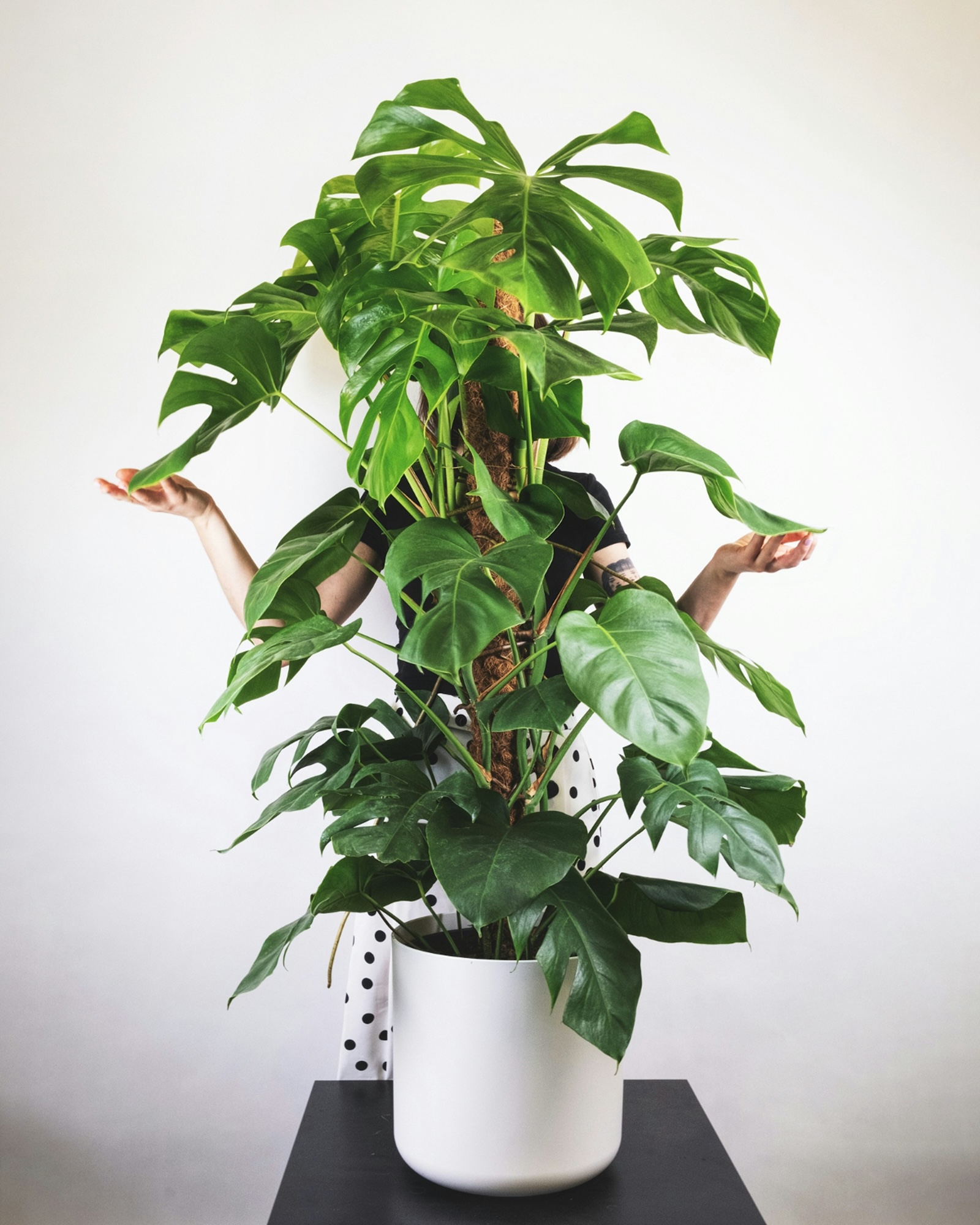
Size & Shape
Selecting the right size and shape of a planter for a Monstera plant impacts its health significantly. The plant’s root system requires space to grow, so opt for a pot that’s about 2-3 inches larger in diameter than the root ball currently is. This ensures ample room for growth without overwhelming the plant with excess soil that retains moisture (potentially leading to root rot).
The shape of the planter contributes to its stability and functionality. I find that a planter with a wider base supports the Monstera’s vertical growth, preventing it from toppling over as it becomes top-heavy with foliage. Deeper pots accommodate the plant’s roots and the base of any vertical support more effectively.
Large Monsteras benefit from a planter with built-in support features. Models with integrated trellises or supports help guide the plant’s natural upward growth pattern, reducing the risk of toppling. When selecting planters, I prioritize those that balance design and practicality to encourage optimal growth conditions for the Monstera.
Drainage
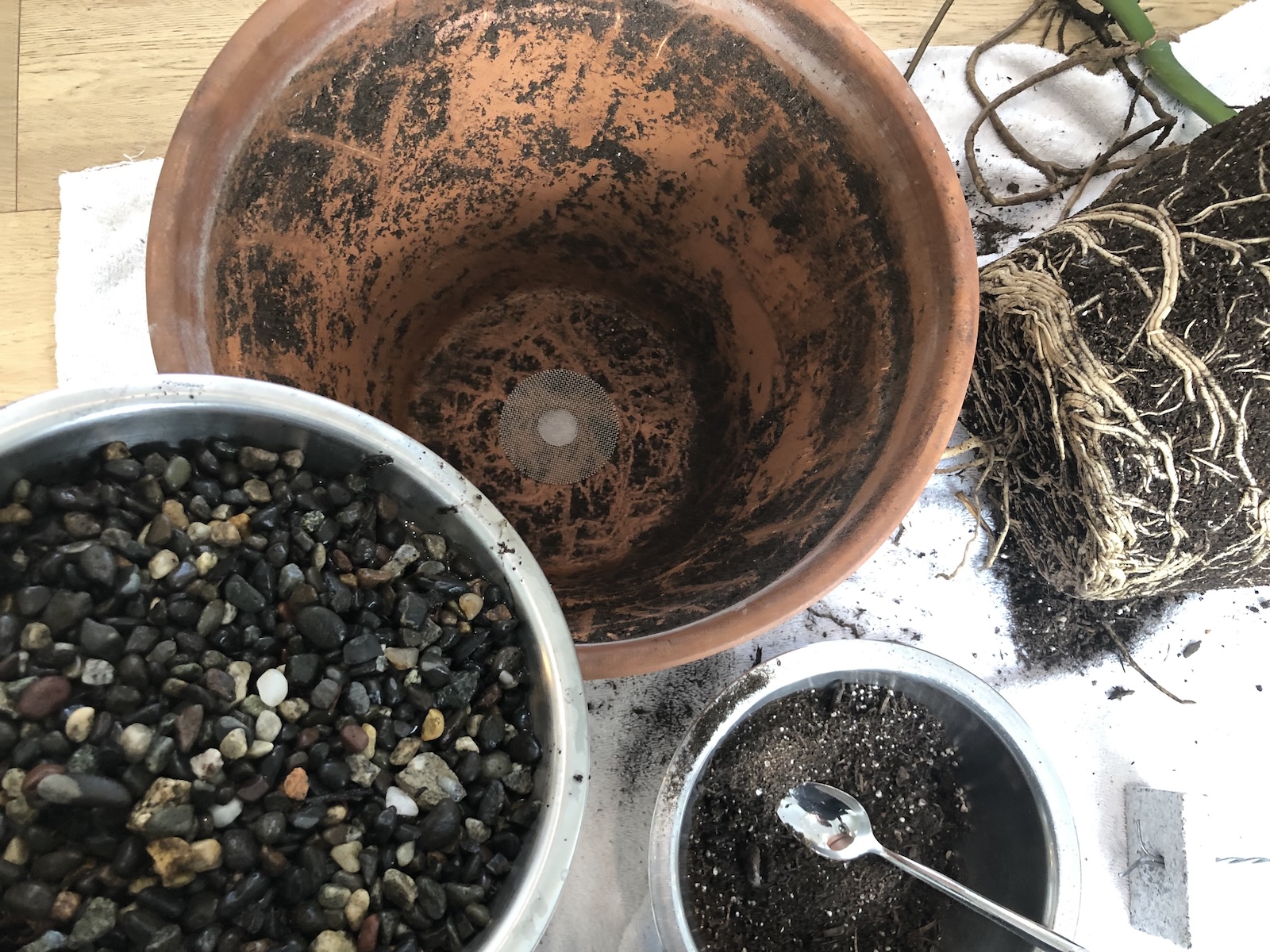
Proper drainage is essential for a thriving Monstera. A pot without drainage can cause water to accumulate, leading to root rot. Ensuring the pot has drainage holes is crucial.
Using an Inner Liner Pot Inside a Decor Planter Without Drainage Holes
Decorative pots often lack drainage holes. This can actually be good if you’re placing the plant on the floor and don’t want water damage on your flooring. To avoid water buildup, I use an inner plastic liner pot within the decorative one. This setup allows me to remove the liner during watering, ensuring excess water drains away.
Self Watering Pots
Self-watering pots may seem convenient but aren’t ideal for Monsteras. These pots use a reservoir system that perpetually wicks water into the soil, which can lead to overwatering. I’ve noticed that my Monstera prefers to dry out a little bit between watering sessions. Constant moisture increases the risk of root rot. Though self-watering pots work for some plant types, I opt for alternatives that allow for more control over moisture levels to ensure my Monstera stays healthy.
Material
Selecting the right planter material is crucial for the health of a Monstera plant. Each material offers distinct benefits and considerations that can impact the plant’s growth and appearance.
Terracotta
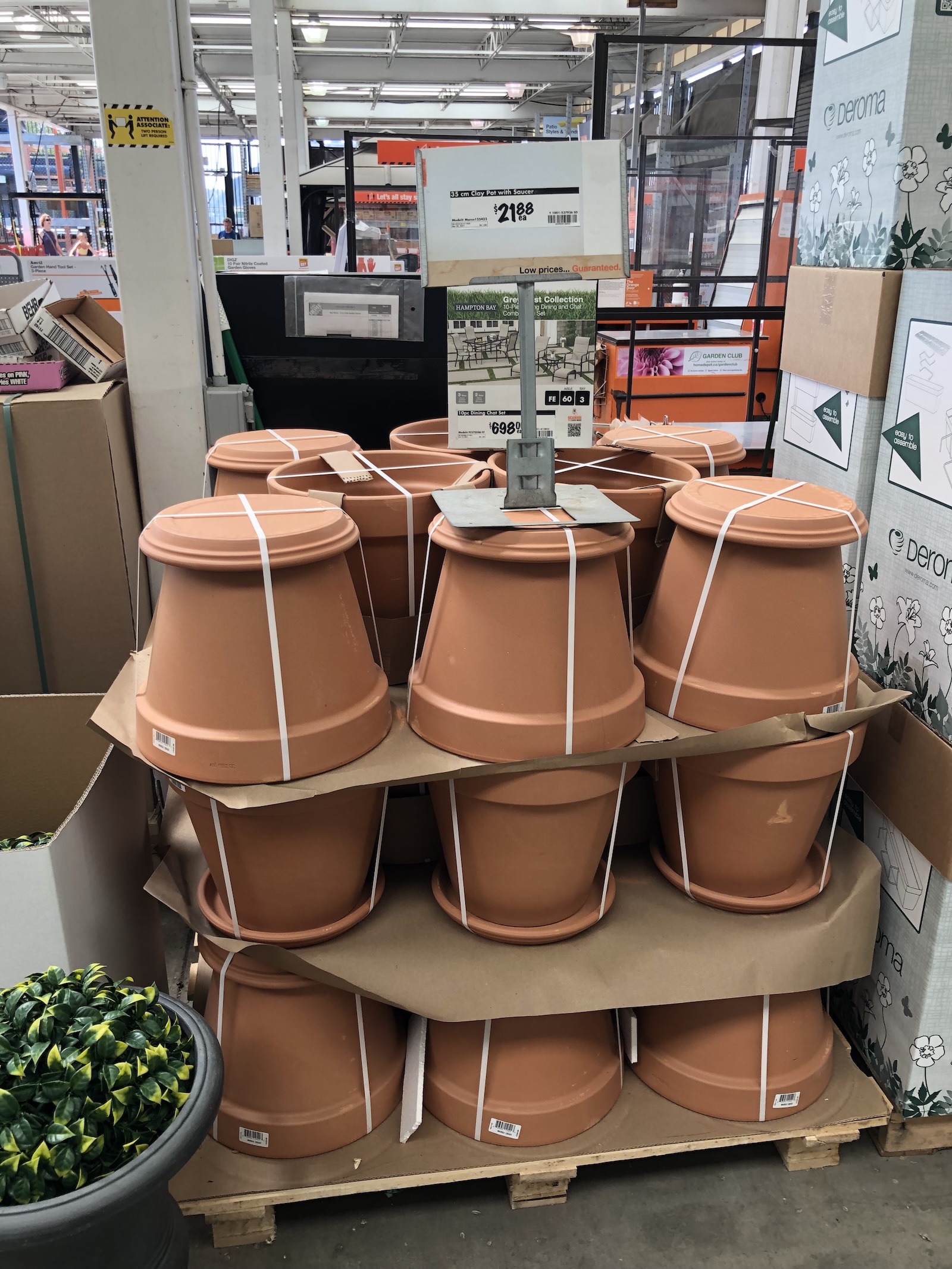
Terracotta planters provide excellent breathability beneficial for Monstera plants. The porous nature of terracotta facilitates airflow to the roots and allows moisture to evaporate quickly, reducing the risk of root rot. They’re heavier, offering stability for larger Monsteras. In areas with fluctuating temperatures, terracotta can keep plant roots cool. But, frequent watering might be necessary as terracotta tends to dry out soil faster compared to other materials. I grow most of my Monsteras in terracotta.
Ceramic
Ceramic planters are available in a range of designs and glazes, allowing easy integration into home decor. They’re non-porous, retaining moisture well which can be ideal for environments with low humidity. Glazed ceramic is not as breathable as unglazed.
The weight of ceramic pots gives stability, but it can pose a challenge when repositioning large Monsteras. Ensure ceramics have drainage holes to prevent water buildup. If not properly monitored, water retention from heavily glazed ceramics can negatively affect the plant health.
Plastic
Plastic planters offer a lightweight and budget-friendly solution. They’re easy to move and come in various designs. They also make greath thin liner pots in larger decorative planters.
Moisture retention is higher in plastic, helping in dry climates but requiring careful watering practices to avoid overwatering. But, they may lack breathability, necessitating additional vigilance for water drainage.
Resin
Resin planters combine durability with aesthetic appeal. They’re weather-resistant, making them suitable for indoor and outdoor use. Lightweight yet robust, resin pots assist in easy handling and repositioning of larger Monstera plants. They retain moisture well, and their non-porous surface prevents soil from drying rapidly. I no longer use resin for my Monsteras because I found that the bottom rotted out of the planters after a couple of years.
Metal
Metal planters bring a modern and sleek look to interiors. Their durability ensures long-term use. But, without proper drainage, metal pots can become waterlogged, risking root health. They can conduct heat, affecting plant roots, especially in direct sunlight.
Consider using metal as decorative outer pots housing an inner plastic pot with drainage holes. Take the plastic pot over to the sink to water it, and let it drain out well before placing it back in the metal planter. This method balances design and plant care, ensuring proper moisture control.
Fabric
Fabric planters offer unique advantages in moisture management and breathability. These pots allow roots to naturally air-prune, preventing tangling and promoting healthy growth. The flexible material often encourages a natural, upright growth structure, supporting the Monstera’s development.
While they’re less traditional, fabric pots may require more frequent watering due to increased evaporation but offer exceptional drainage and aeration benefits critical for Monstera root health. You’ll likely need to place the fabric grow bag in a drip tray to avoid damaging your flooring.

Adding a moss pole
Supporting a Monstera plant’s upward growth involves incorporating a moss pole into its setup. In my experience, a moss pole provides stability, especially useful as the plant matures and its aerial roots seek surfaces to cling onto.
When choosing a moss pole, assessing its height in relation to the Monstera’s current size is crucial. A pole that extends beyond the plant’s tallest leaves encourages vertical growth, as it offers a structure for them to attach and climb. Typically, I select a pole at least 1-2 feet taller than the plant’s height. Over time, as the Monstera grows, I secure its stems to the pole using soft velcro ties. This method supports the plant without causing damage.
Another consideration is the moss material itself. Sphagnum moss, for example, retains moisture well, providing a humid microenvironment familiar to the Monstera. There are also coco coir poles available.
During routine watering, I moisten the pole slightly with an automatic mister, imitating rainfall and encouraging roots to secure themselves to the pole. This approach not only benefits the plant’s physical stability but also its overall health by simulating natural conditions.
Adding a drip tray
Adding a drip tray under a Monstera pot protects surfaces by capturing excess water, preventing damage from leakage or overflow. It can also help buffer soil moisture levels. But its essential to avoid leaving standing water in the tray too long, as it might attract pests like mosquitoes.
Leave a Reply