Polka dot plant care guide
Hypoestes phyllostachya, also called freckle face, hypoestes, measles plant
Published 2022-07-14
Quick care
- Light
- Bright indirect
- Water
- When the top 2 cm (1 in) of soil is dry
- Humidity
- Above average. Dry air crisps the leaves.
- Temperature
- 18 to 27°C (65 to 80°F). Keep above 13°C (55°F).
- Soil
- Rich, well-draining potting mix
- Feeding
- Half-strength fertilizer monthly in spring and summer
- Pets
- Non-toxic to cats and dogs
- Difficulty
- Moderate
- Mature size
- 15 to 30 cm (6 to 12 in) tall
- Propagation
- Stem cuttings in water or soil
The polka dot plant has leaves splashed with pink, red, or white spots. It is small, cheerful, and fast. It is also a bit dramatic: it flops when thirsty and stands back up after a drink.
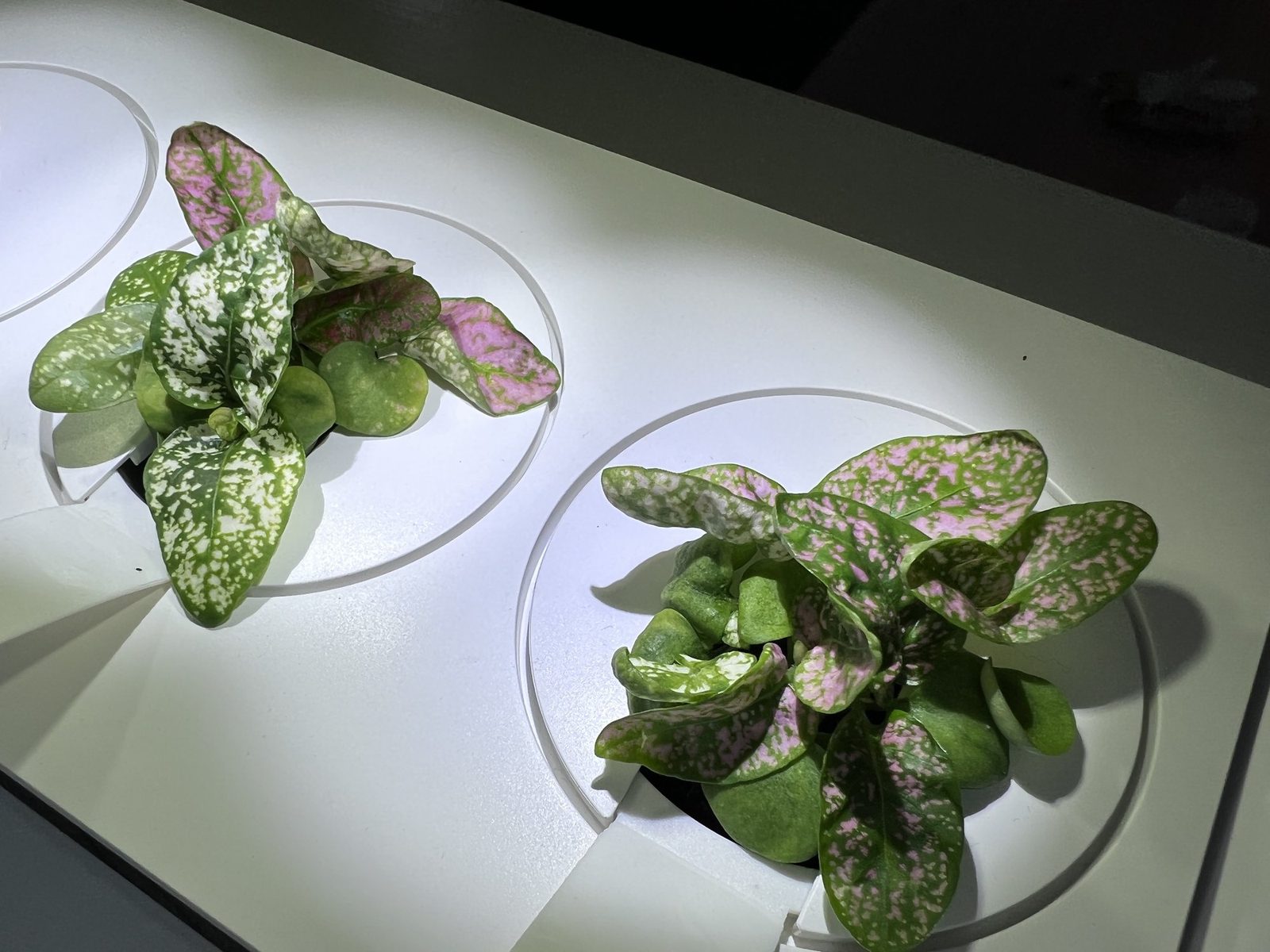
Light
Give it bright, indirect light, such as a spot near an east window. The spots need light to stay bright.
In low light, the spots fade and the stems stretch. Hot direct sun bleaches and scorches the leaves.
Water
Water when the top 2 cm (1 in) of soil is dry. Keep the soil a little moist, never soggy. Water until it drains, then empty the saucer.
A thirsty plant wilts flat. It recovers within hours of a drink, but repeated wilting browns the leaves. Read how to tell if a houseplant is overwatered or underwatered.
Soil and potting
Use a rich, well-draining potting mix. Repot in spring if roots fill the pot. See how to repot a houseplant step by step.
Humidity and temperature
It likes humid air. Dry winter air crisps the leaf edges. A humidifier or a group of plants helps.
Keep it between 18 and 27°C (65 and 80°F), away from cold drafts.
Feeding
Feed monthly in spring and summer with a balanced liquid fertilizer at half strength.
Pruning
Pinch the stem tips every week or two. Each pinch makes two new stems, and the plant stays bushy.
Polka dot plants grow small, lilac flowers. Pinch them off. Once it flowers, the plant puts its energy into seed and gets leggy, and some plants decline.
Propagation
- Cut a stem tip 8 to 10 cm (3 to 4 in) long.
- Pull off the lowest leaves.
- Set it in water or damp mix.
- Roots grow in one to two weeks.
Polka dot plants can be short-lived. Start new cuttings every year or so to keep the plant going.
Problems
| What you see | Most likely cause |
|---|---|
| Whole plant wilts | Thirsty. Water it. |
| Spots fading | Not enough light |
| Long, leggy stems | Not enough light, not pinched, or flowering |
| Brown, crispy edges | Dry air or dry soil |
| Yellow leaves, wet soil | Too much water |
| Plant declines after flowering | Normal. Start new cuttings. |
Pests
Aphids, whiteflies, and mealybugs can show up on new growth. Fungus gnats mean the soil stays wet too long. Read how to get rid of fungus gnats in houseplants.
Pet safety
The ASPCA lists polka dot plant as non-toxic to cats and dogs.
Varieties
- Pink polka dot plant has green leaves splashed with pink.
- White types have green leaves splashed with white.
- Red types have deep red, almost solid leaves.
- ‘Splash’ series plants have large, bold spots.
- ‘Confetti’ series plants are compact and bushy.