For a jungle look at home, start with monstera, bird of paradise, a palm, a fern, and a trailing pothos or philodendron. The look comes from big leaves, mixed leaf shapes, and plants at three heights: floor, table, and hanging. Twelve plants that do the job are below.
Most tropical houseplants come from the forest floor, under taller trees. That is why they grow indoors. They are built for filtered light, warm air, and steady moisture. The hard part in a cold climate is winter, when the furnace dries the air and the days get short.
I earn a commission when you buy through links to Amazon. It costs you nothing extra.
The 12 plants at a glance
| Plant | Job in the room | Light | Pet safe |
|---|---|---|---|
| Monstera | Big split leaves | Bright indirect | No |
| Bird of paradise | Tall, paddle-shaped leaves | Bright, some direct sun | No |
| Kentia palm | Tall, arching fronds | Medium to bright indirect | Yes |
| Areca palm | Feathery screen | Bright indirect | Yes |
| Rubber plant | Dark, glossy tree | Bright indirect | No |
| Philodendron | Climber or trailer | Medium to bright indirect | No |
| Alocasia | Arrow-shaped statement leaves | Bright indirect | No |
| Calathea | Patterned leaves at table height | Medium indirect | Yes |
| Bird’s nest fern | Wavy rosette | Medium indirect | Yes |
| Boston fern | Hanging fronds | Bright indirect | Yes |
| Pothos | Long trailing vines | Low to bright indirect | No |
| Anthurium | Glossy leaves and red blooms | Bright indirect | No |
Tall plants for the floor
Monstera
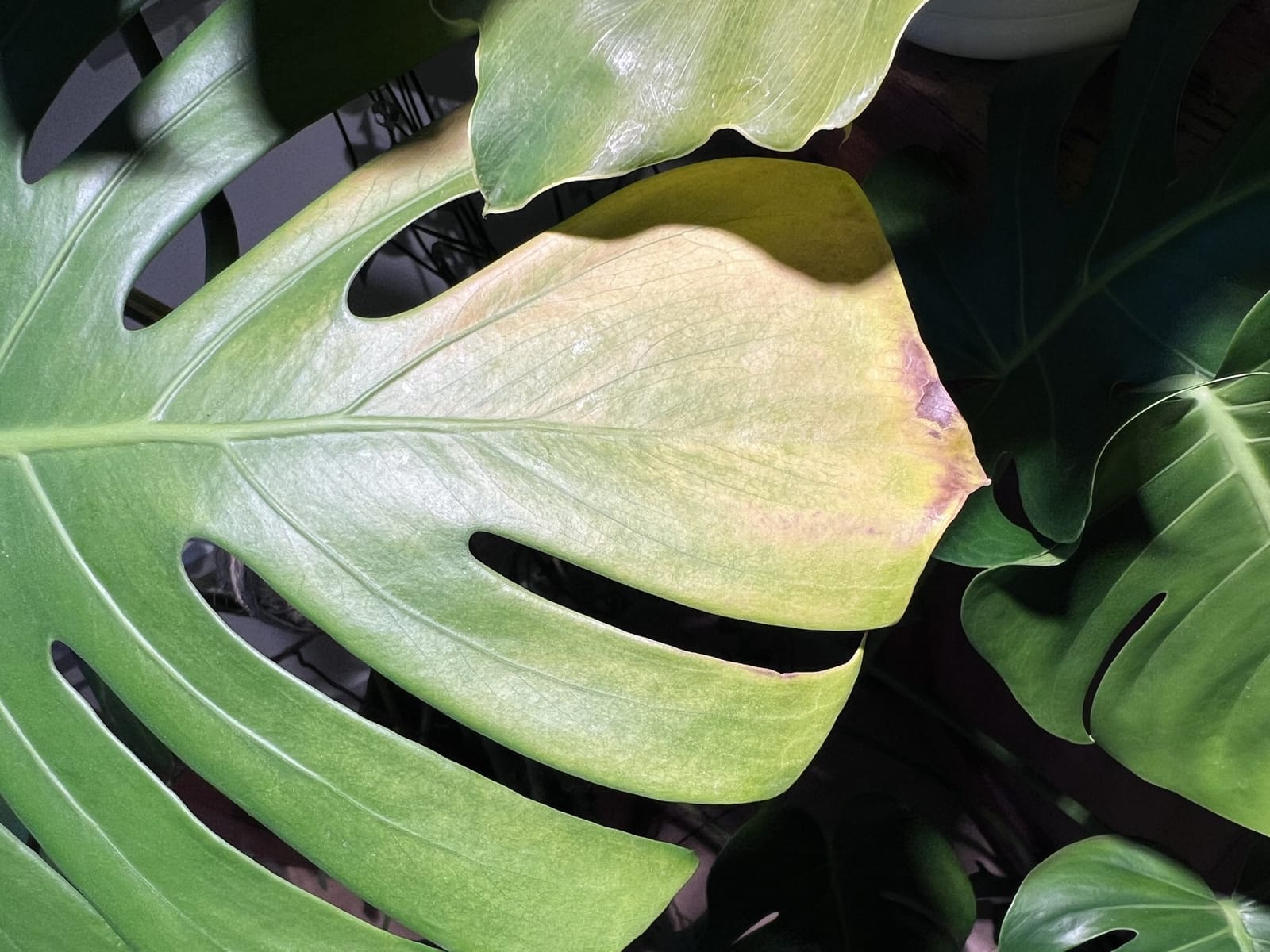
Monstera (Monstera deliciosa) is the plant most people picture when they think of a jungle room. Mature leaves split and grow holes. It climbs in the wild, so give it a moss pole or stake. It is toxic to cats and dogs, and chewing it causes mouth irritation, drooling, and vomiting.
Bird of paradise
Bird of paradise (Strelitzia nicolai) grows leaves like banana leaves, up to 1.8 m (6 ft) tall or more indoors. It wants the brightest spot you have. The leaves split along the veins as they age, and that is normal. It is toxic to cats and dogs.
Kentia palm
Kentia palm (Howea forsteriana) has wide, arching fronds and handles lower light than most palms. It grows slowly, so buy it close to the size you want. It is safe for cats and dogs.
Areca palm
Areca palm (Dypsis lutescens) grows into a full clump of feathery fronds. It needs bright light and regular water. It is safe for cats and dogs.
Rubber plant
Rubber plant (Ficus elastica) has thick, glossy leaves on an upright trunk. A dark cultivar such as ‘Burgundy’ adds contrast to a room of green. It is toxic to cats and dogs.
Mid-height plants for tables and stands
Philodendron
Philodendron is a large group. Heartleaf philodendron trails. Split-leaf types grow wide and low. All of them handle average home conditions. It is toxic to cats and dogs.
Alocasia
Alocasia has arrow-shaped leaves with bold veins. It is the fussiest plant on this list. It wants warmth, humid air, and bright light, and it may drop leaves and rest in winter. It is toxic to cats and dogs.
Calathea
Calathea has leaves striped and painted in green, cream, and purple. It needs humid air and soft water, or the edges brown. It is safe for cats and dogs.
Bird’s nest fern
Bird’s nest fern (Asplenium nidus) grows wide, wavy fronds from a central cup. It handles dry air better than most ferns. Water the soil around the edge, not the center. It is safe for cats and dogs.
Anthurium
Anthurium (Anthurium andraeanum) adds color with waxy red or pink spathes that last for weeks. It is toxic to cats and dogs.
Hanging and trailing plants
Boston fern
Boston fern (Nephrolepis exaltata) fills a hanging basket with arching fronds. It needs moist soil and humid air, and it sheds in dry rooms. It is safe for cats and dogs.
Pothos
Pothos (Epipremnum aureum) is the easiest way to get vines hanging from a shelf or climbing a wall. It grows in most light. It is toxic to cats and dogs.
How to layer plants for a jungle look
- Start with one tall plant. Put a monstera, palm, or bird of paradise beside the brightest window.
- Add two or three mid-height plants. Set them on stands or tables at different heights in front of and beside the tall plant.
- Hang one or two trailers. Place them above eye level so vines fall into the group.
- Mix leaf shapes. Put a feathery palm next to a broad monstera, and a fern next to a glossy rubber plant.
- Group the pots close. Leaves that overlap look fuller. Grouped plants also raise the humidity around each other a little.
- Keep the pots plain. Similar colors, such as terracotta or white, let the leaves stand out.
A set of plant stands in different heights does most of the layering work. For more ideas, see how to decorate with indoor plants and the list of indoor plants with large leaves.
What tropical plants need in a cold climate
- Warmth. Most want 18 to 27°C (65 to 80°F). Growth stalls below 15°C (60°F).
- No cold glass. Keep leaves from touching windows in winter. A leaf pressed to cold glass turns black.
- Humidity. Furnace air can fall below 30 percent humidity. Most tropical plants look best at 40 to 60 percent. A cool mist humidifier near the group helps more than misting. See how to increase humidity in winter.
- Light. Short winter days slow growth. Move plants closer to the glass, or add a grow light.
- Less water in winter. Plants drink less when they grow less. Check the soil before each watering.
A starter set of five
If you want the look without twelve plants, begin with these.
- One monstera on a pole
- One kentia or areca palm
- One bird’s nest fern on a stand
- One calathea on a table
- One pothos on a high shelf
This set covers all three heights and four leaf shapes. Three of the five are safe for pets. Hang the pothos high and keep the monstera out of reach if a cat or dog shares the room. If a pet eats a toxic plant, call your vet or the ASPCA Animal Poison Control Center.